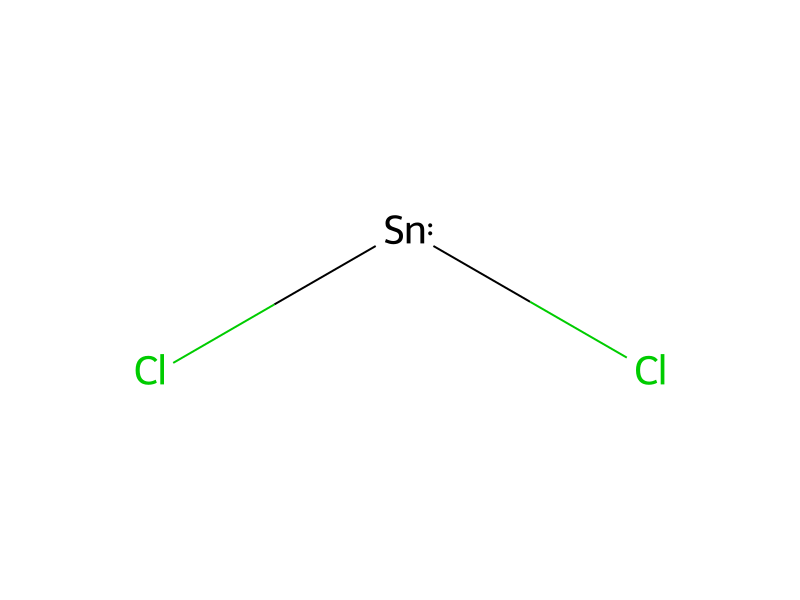
[Br:1][C:2]1[CH:15]=[CH:14][C:13]2[C:12](=O)[C:11]3[C:6](=[CH:7][CH:8]=[C:9]([Br:17])[CH:10]=3)[C:5](=O)[C:4]=2[CH:3]=1.[C:19]1([Li])[CH:24]=[CH:23][CH:22]=[CH:21][CH:20]=1.Cl.Cl[Sn]Cl>C1COCC1>[Br:1][C:2]1[CH:15]=[CH:14][C:13]2[C:4](=[C:5]([C:2]3[CH:15]=[CH:14][CH:13]=[CH:4][CH:3]=3)[C:6]3[C:11]([C:12]=2[C:19]2[CH:24]=[CH:23][CH:22]=[CH:21][CH:20]=2)=[CH:10][C:9]([Br:17])=[CH:8][CH:7]=3)[CH:3]=136.6 g (100 mmol) of 2,6-dibromoanthraquinone are dissolved in 600 ml of THF, the solution is cooled to −75° C., and 100 ml of a 2 M phenyllithium solution in THF are added dropwise. After 2 h, the mixture is allowed to come to RT, 50 ml of 4 M HCl are added, the mixture is partitioned between toluene and water, the organic phase is dried over Na2SO4, and the solvent is removed in vacuo. The residue is taken up in 350 ml of DMF, 68 g (350 mmol) of SnCl2 are added, and the mixture is brought to an internal temperature of 140° C. for 2 h. 180 ml of 2 M HCl are then added at about 40° C., and the precipitate is filtered off with suction, washed with water, EtOH and ethyl acetate and dried at 80° C. in vacuo. Recrystallisation from toluene gives 30.8 g (63 mmol, 63%) of an ochre solid, which is homogeneous according to TLC and 1H-NMR and is employed in this form in the subsequent reaction.