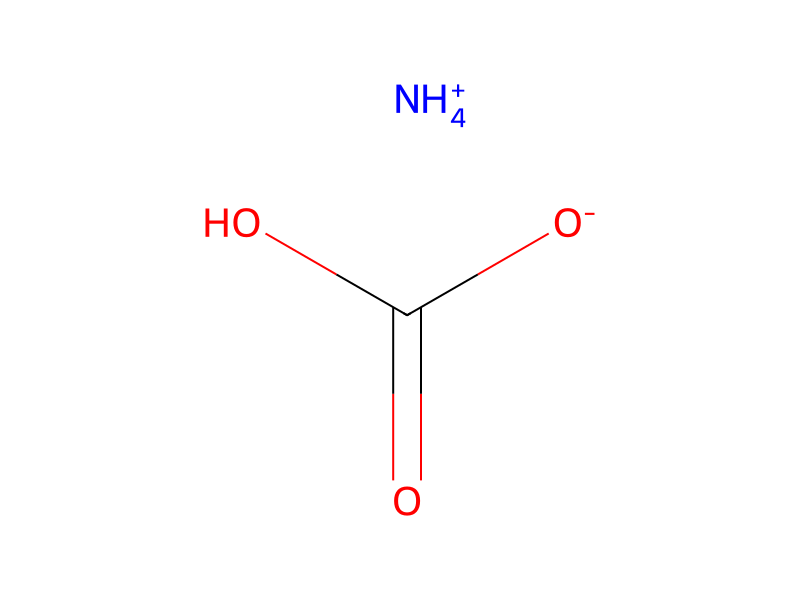
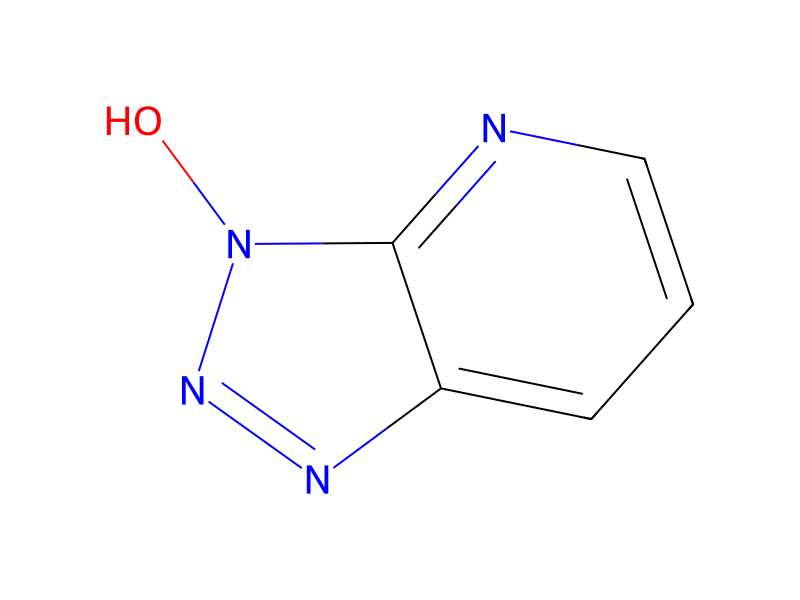
A solution of the acid (f) (5.0 g, 18 mmol) and 1-hydroxy-7-azabenzotriazole (2.73 g, 20 mmol) in DMF (200 ml) was treated with (3-dimethylamino-propyl)-ethyl-carbodiimide hydrochloride (3.87 g, 20 mmol) and ammonium hydrogen carbonate (5.8 g, 73 mmol). The mixture was stirred at room temperature for 18 hours then evaporated to dryness. The residue was partitioned between ethyl acetate and saturated aqueous sodium bicarbonate solution. The organic extract was dried and evaporated. Trituration with ether and filtration afforded a white solid (3.72 g, 75%).