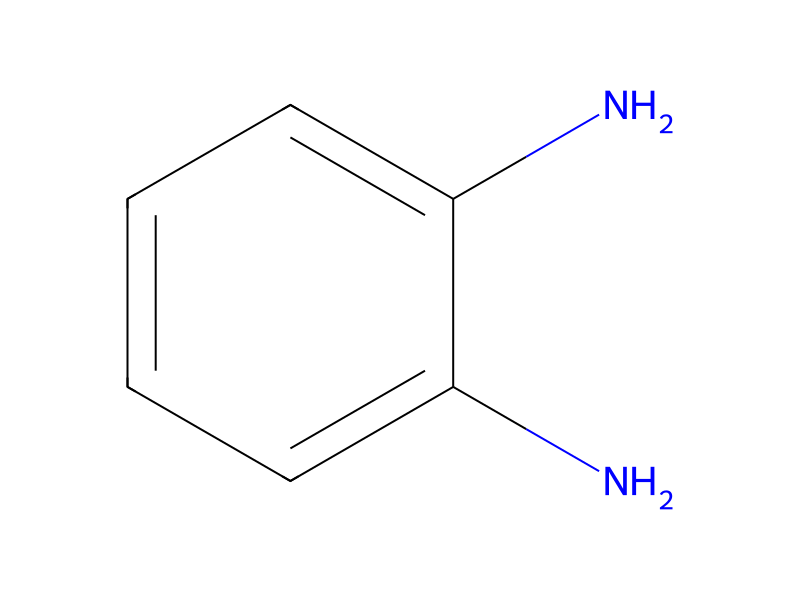
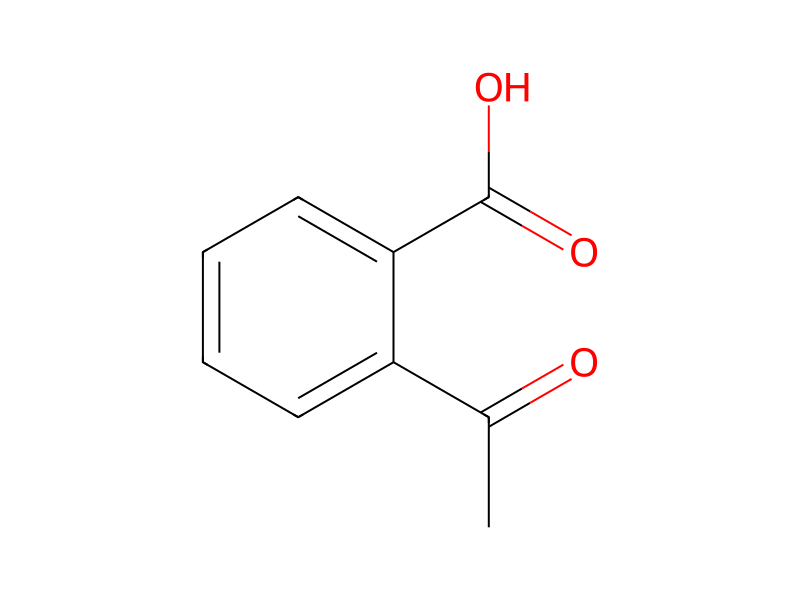
[C:1]([C:5]1[CH:13]=[CH:12][CH:11]=[CH:10][C:6]=1[C:7]([OH:9])=[O:8])(=[O:4])[CH2:2]C.[C:14]1([NH2:21])[CH:19]=[CH:18][CH:17]=[CH:16][C:15]=1[NH2:20]>ClC1C=CC=CC=1>[CH3:2][C:1]12[NH:21][C:14]3[CH:19]=[CH:18][CH:17]=[CH:16][C:15]=3[N:20]1[C:7](=[O:9])[C:6]1[C:5]2=[CH:13][CH:12]=[CH:11][CH:10]=1.[C:1]([C:5]1[CH:13]=[CH:12][CH:11]=[CH:10][C:6]=1[C:7]([OH:9])=[O:8])(=[O:4])[CH3:2].[C:14]1([NH2:21])[CH:19]=[CH:18][CH:17]=[CH:16][C:15]=1[NH2:20]17.8 Parts of o-propionyl-benzoic acid and 11 parts of o-phenylenediamine are heated for 1 hour in 200 parts of chlorobenzene while distilling off water and chlorobenzene. The excess chlorobenzene is then removed in vacuo and the residue is distilled under high vacuum. The destillate solidifies and is recrystallised from a little ethyl acetate. The pure 4b-ethyl-4b,5-dihydro-11H-benzo[4,5]imidazo[2,1-a]isoindol-11-one of the formula ##STR30## melts at 134°. 4b-methyl-4b,5-dihydro-11H-benzo[4,5]imidazo[2,1-a]isoindol-11-one (M.P. 182.5°) is produced in an analogous manner from o-acetylbenzoic acid and o-phenylenediamine.