Acetic Acid → Dimethyl (3,3-dimethyl-2-oxo-4-phenylbutyl)phosphonate
HRID 1439253
反応式

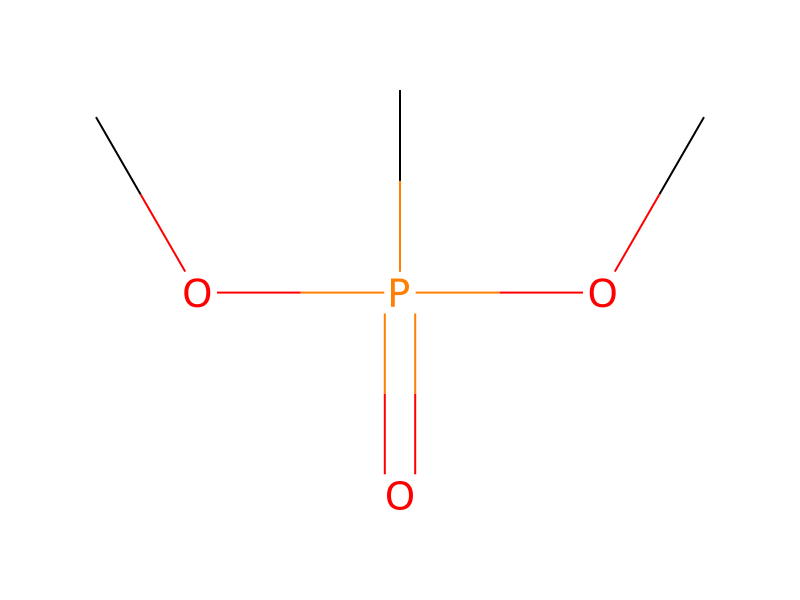
[CH3:1][O:2][P:3]([CH3:7])(=[O:6])[O:4][CH3:5].O1CCC[CH2:9]1.[CH2:13]([Li])[CH2:14][CH2:15][CH3:16].[C:18]([OH:21])(=O)C.[CH3:22][CH2:23][CH2:24][CH2:25][CH2:26]C>>[CH3:16][C:15]([CH3:9])([CH2:14][C:13]1[CH:26]=[CH:25][CH:24]=[CH:23][CH:22]=1)[C:18](=[O:21])[CH2:7][P:3](=[O:6])([O:4][CH3:5])[O:2][CH3:1]参加物
6





実験手順
To a solution of 63 g. of dimethylmethylphosphonate in 600 ml. of tetrahydrofuran under nitrogen at -75° C. is added with stirring 312 ml. of 1.6 molar n-butyllithium in hexane. The addition rate is adjusted so that the reaction temperature remains below 55° C. Ten minutes after the addition is complete, 48.2 g. of the reaction product of part B of this example and 50 ml. of tetrahydrofuran are added dropwise at such rate as to maintain the reaction temperature below -60° C. The resulting mixture is then stirred at -75° C. for 2 hours and then ambient temperature overnight. Acetic acid (20 ml.) is thereafter added and the resulting mixture distilled under vacuum, thereby removing most of the tetrahydrofuran. The residue is then shaken with diethyl ether in methylene chloride (3:1 by volume) and a cold dilute sodium bicarbonate solution. The organic layer is then washed with brine, dried, and concentrated. The residue is crystallized from diethyl ether, yielding 54 g. of dimethyl 3,3-dimethyl-2-oxo-4-phenylbutylphosphorate the title compound. The melting point is 48°-50° C.