反応式

ClC1C(F)=C(C=CC=1F)C(Cl)=O.C(OCC)(=O)CC(OCC)=O.[Cl:24][C:25]1[C:26]([F:45])=[C:27]([CH:41]=[CH:42][C:43]=1[F:44])[C:28]([CH:30]([C:36]([O:38][CH2:39][CH3:40])=O)[C:31]([O:33][CH2:34][CH3:35])=[O:32])=[O:29].ClC1C(F)=C(C=CC=1F)C(CC(OCC)=O)=O.C([O-])([O-])OCC.C(OC(=O)C)(=O)C>>[Cl:24][C:25]1[C:26]([F:45])=[C:27]([CH:41]=[CH:42][C:43]=1[F:44])[C:28]([C:30](=[CH:36][O:38][CH2:39][CH3:40])[C:31]([O:33][CH2:34][CH3:35])=[O:32])=[O:29]参加物
反応物 5
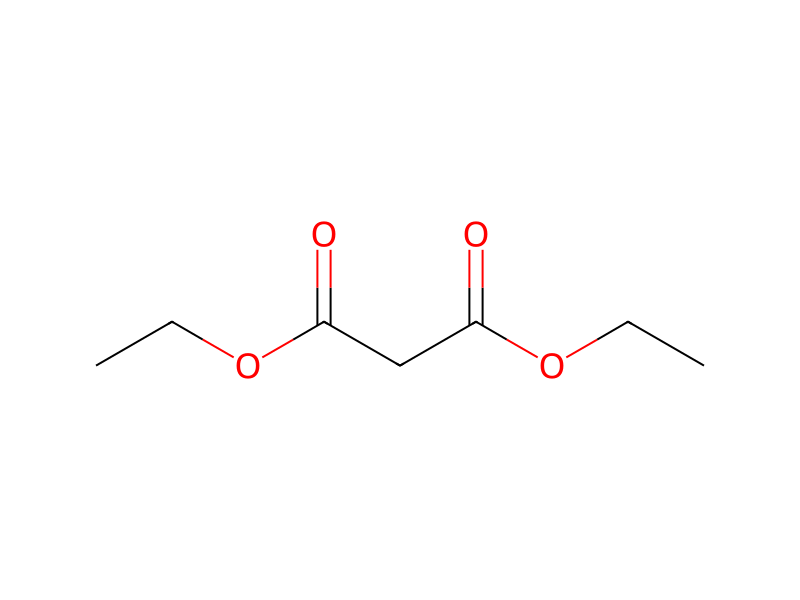


生成物 1

実験手順
Reaction of 3-chloro-2,4-difluoro-benzoyl chloride with diethyl malonate gives diethyl (3-chloro-2,4-difluoro-benzoyl)-malonate, and partial hydrolysis and decarboxylation lead to ethyl (3-chloro-2,4-difluoro-benzoyl)-acetate, which is reacted with ethyl orthoformate/acetic anhydride to give ethyl 2-(3-chloro-2,4-di-fluorobenzoyl)-3-ethoxy-acrylate; further reaction with cyclopropylamine leads to ethyl 2-(3-chloro-2,4-difluoro-benzoyl)-3-cyclopropylaminoacrylate, which is cyclized with potassium carbonate/dimethylformamide to give ethyl 8-chloro-1-cyclopropyl-7-fluoro-1,4-dihydro-4-oxo-3-quinolinecarboxylate; hydrolysis then finally leads to the corresponding carboxylic acid. The reaction sequence described can be represented by the following equation: ##STR4##
後処理
- customgives
出典と根拠
- ORDレコード
- ord-23bfccb877984dbf9f6bfe7d63307a61
- 出典データセット
- uspto-grants-1997_02
- 特許番号
- US05599980
関連ノート
読み込み中…