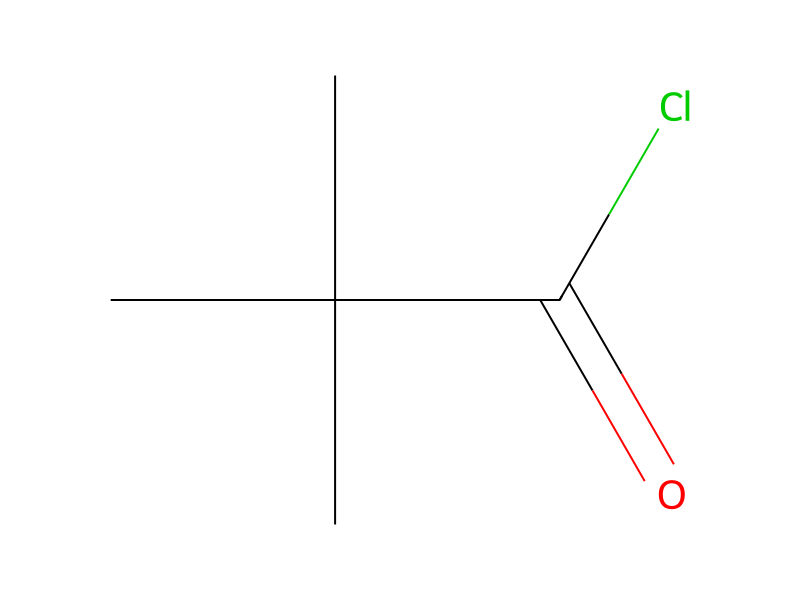
[C:1](Cl)(=[O:6])[C:2]([CH3:5])([CH3:4])[CH3:3].[OH:8][C:9]1[C:19]([C:20](=[O:23])[CH2:21][CH3:22])=[CH:18][CH:17]=[CH:16][C:10]=1[C:11]([O:13][CH2:14][CH3:15])=[O:12].Cl>N1C=CC=CC=1>[C:1]([O:8][C:9]1[C:19]([C:20](=[O:23])[CH2:21][CH3:22])=[CH:18][CH:17]=[CH:16][C:10]=1[C:11]([O:13][CH2:14][CH3:15])=[O:12])(=[O:6])[C:2]([CH3:5])([CH3:4])[CH3:3]6 ml of pivaloyl chloride was added dropwise into a stirred solution of 8.9 g of ethyl 2-hydroxy-3-propionylbenzoate in 20 ml of anhydrous pyridine. The reaction mixture was stirred at 80° C. for 6 hours, cooled at room temperature and poured into a mixture of 200 g of crushed ice and 30 ml of 10N aqueous hydrochloric acid solution. After extraction with diethyl ether, the organic phase was washed with brine, dried on anhydrous sodium sulfate and evaporated to dryness in vacuo, yielding 11.4 g of crude ethyl 2-pivaloyloxy-3-propionylbenzoate.