Sodium Carbonate → Methyl 4-(2-methoxybenzyl)-1-piperazinecarbodithioate
HRID 1460186
反応式

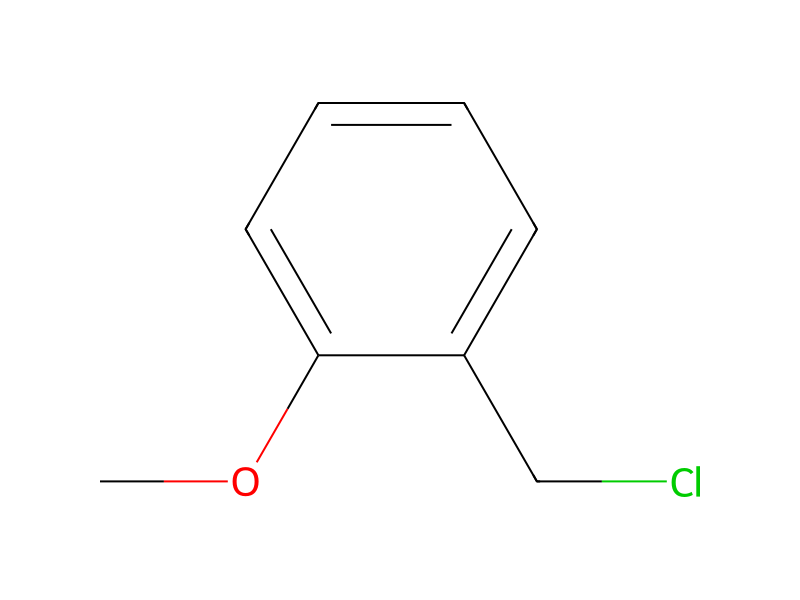
[CH3:1][O:2][C:3]1[CH:10]=[CH:9][CH:8]=[CH:7][C:4]=1[CH2:5]Cl.[N:11]1([C:17]([S:19][CH3:20])=[S:18])[CH2:16][CH2:15][NH:14][CH2:13][CH2:12]1.C(=O)([O-])[O-].[Na+].[Na+]>C(O)C>[CH3:1][O:2][C:3]1[CH:10]=[CH:9][CH:8]=[CH:7][C:4]=1[CH2:5][N:14]1[CH2:15][CH2:16][N:11]([C:17]([S:19][CH3:20])=[S:18])[CH2:12][CH2:13]1参加物
5




実験手順
In a nitrogen atmosphere, 2.28 g (14.5 mmol.) of 2-methoxybenzyl chloride, 2.69 g (14.5 mmol., purity 94.8%) of methyl 1-piperazinecarbodithioate, 1.53 g (14.5 mmol.) of anhydrous sodium carbonate and 15 ml of ethanol were mixed and refluxed under heating for 18 hours. Insolubles were removed by filtration, and the solvent of the filtrate was distilled off under reduced pressure. To the residue were added 15 ml of dichloromethane and 15 ml of water. The organic solvent portion was taken out, washed with 17 ml of 1-N hydrochloric acid and 20 ml of 1-N aqueous sodium hydroxide solution, and dried over anhydrous sodium sulfate. The solvent was distilled off under reduced pressure. The residue was purified by column chromatography to give 1.92 g of methyl 4-(2-methoxybenzyl)-1-piperazinecarbodithioate, yield 44.7%.