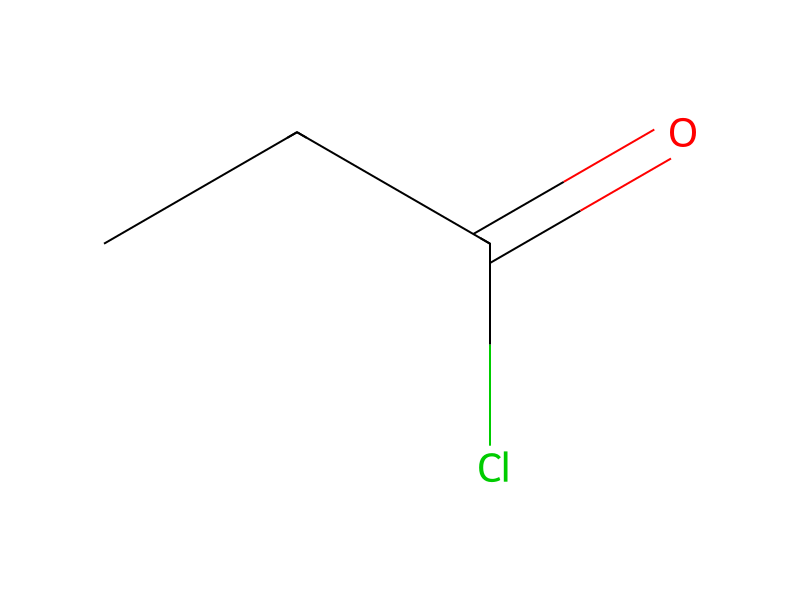
[Br:1][C:2]1[CH:3]=[CH:4][CH:5]=[C:6]2[C:11]=1[O:10][CH2:9][CH:8]([NH2:12])[CH2:7]2.[C:13](Cl)(=O)[CH2:14][CH3:15].[BH4-].C([N+](CCCC)(CCCC)CCCC)CCC.ClCCCl>C(Cl)Cl.C([O-])([O-])=O.[Na+].[Na+]>[Br:1][C:2]1[CH:3]=[CH:4][CH:5]=[C:6]2[C:11]=1[O:10][CH2:9][CH:8]([NH:12][CH2:13][CH2:14][CH3:15])[CH2:7]2To a mixture of 8-bromo-3-aminochroman (200 mg; 0.9 mmol) in CH2Cl2 (25 ml) and 10% aqueous Na2CO3 (25 ml) was added propionyl chloride (400 mg; 2.2 mmol) and the mixture was stirred for 2 hours. The phases were separated and the organic layer was dried (MgSO4). The solvent was evaporated and the crude amide was reduced with tetrabutylammonium borohydride (400 mg, 1.6 mmol) in a boiling (1:1)-mixture (50 ml) of dichloromethane and 1,2-dichloroethane overnight. The solution was extracted with water, dried (Na2SO4) and the solvent was evaporated yielding 140 mg (58%) of 8-bromo-3-(n-propylamino)chroman.