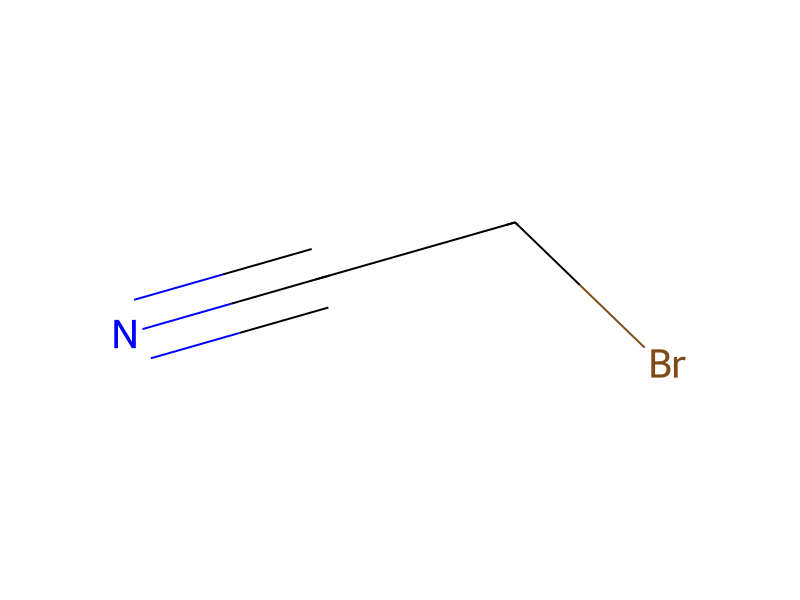
[C:1]([O:5][CH2:6][C@H:7]([N:11]([CH3:18])[C:12](=[O:17])[CH2:13][CH2:14][CH:15]=[CH2:16])[C:8]([OH:10])=[O:9])([CH3:4])([CH3:3])[CH3:2].[CH2:19]([NH:21]C(C)CC(C)C)[CH3:20].BrCC#N.C(OCC)(=O)C>CN(C)C=O>[C:1]([O:5][CH2:6][C@H:7]([N:11]([CH3:18])[C:12](=[O:17])[CH2:13][CH2:14][CH:15]=[CH2:16])[C:8]([O:10][CH2:20][C:19]#[N:21])=[O:9])([CH3:4])([CH3:3])[CH3:2](S)-3-(tert-butoxy)-2-(N-methylpent-4-enamido)propanoic acid (Compound SP746) (1.01 g, 3.92 mmol) and N-ethylisopropylpropan-2-amine (EtN(iPr)2, 1.37 mL, 7.85 mmol) were dissolved in N,N-dimethylformamide (3.92 ml) under a nitrogen atmosphere, 2-bromoacetonitrile (0.82 ml, 11.8 mmol) was added and the mixture was stirred at room temperature for 45 minutes. 50 ml of ethyl acetate was added to the reaction solution, and the organic layer was separated by 50 ml of a saturated aqueous ammonium chloride solution and 50 ml of brine. The organic layer was collected and concentrated under reduced pressure, and the residue was purified by reverse-phase silica gel column chromatography (10 mM aqueous ammonium acetate solution/methanol solution) to afford (S)-cyanomethyl 3-(tert-butoxy)-2-(N-methylpent-4-enamido)propanoate (Compound SP747) (1.00 g, 86%).