反応式

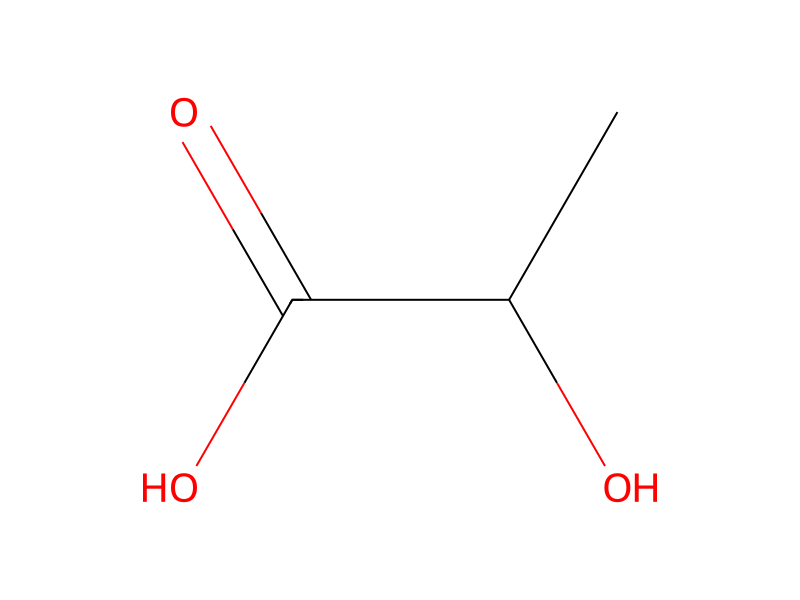
[C:1]([OH:6])(=[O:5])[CH:2]([CH3:4])[OH:3].[S-2].[Na+].[Na+]>>[CH3:4][CH:2]1[O:3][C:1](=[O:5])[CH:2]([CH3:4])[O:6][C:1]1=[O:5]参加物


実験手順
100 g of the thus obtained residue is heated with 50 g hydrolysis medium (90% lactic acid in aqueous solution) at 100° C. and atmospheric pressure for 4 hours with reflux and continuous thorough mixing. The resulting solution is mixed with sodium sulphide and, after 30 min thorough mixing, is filtered in order to remove solid material particles. The thus obtained, homogeneous solution has a lactic acid proportion of over 99% by weight and a racemisation degree of 2.5% and can be mixed with polycondensate in order to supply it directly to the depolymerisation unit. The total racemisation degree of the dilactide obtained after a plurality of cycles never rises, despite the recycling, above the maximum value which is achieved during direct depolymerisation up to a conversion of 95% (see example 1). The total yield is determined by the quantity which is removed during the hydrolysis by separation of the impurities and is preferably above 99%, however in any case more than 95%.
後処理
- temperatureatmospheric pressure for 4 hours with reflux
- filtrationis filtered in order
- customto remove solid material particles
- customThe thus obtained
- additiona racemisation degree of 2.5% and can be mixed with polycondensate in order to supply it directly to the depolymerisation unit
出典と根拠
- ORDレコード
- ord-6c4cb384253c4ffe87391bac459577aa
- 出典データセット
- uspto-grants-2016_08
- 特許番号
- US09428484B2
関連ノート
読み込み中…