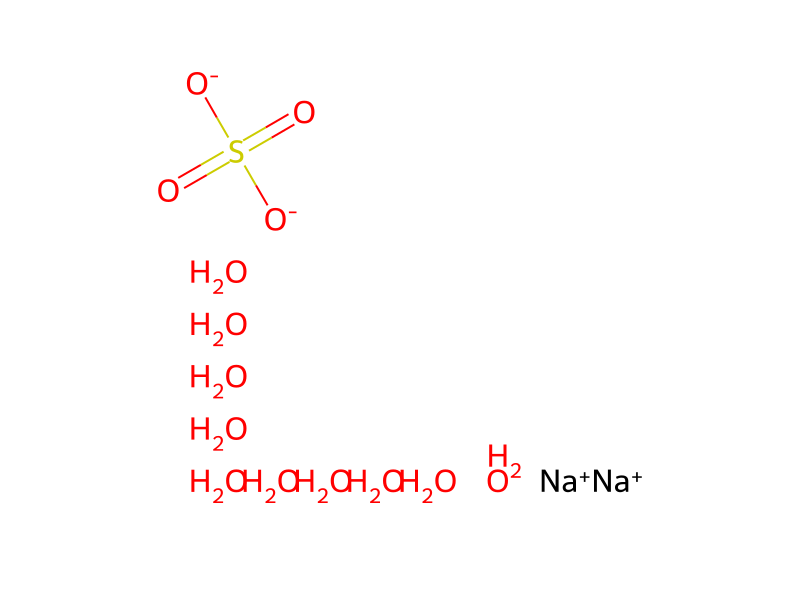
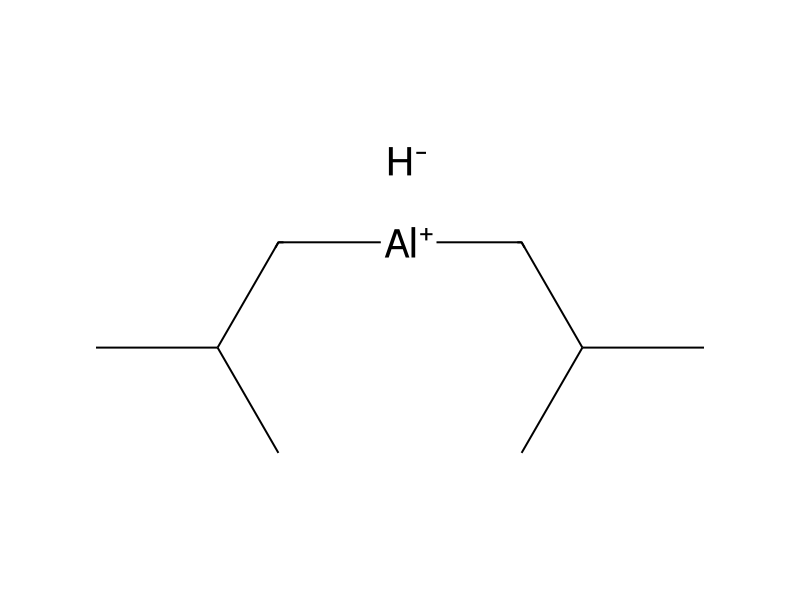
[CH2:1]([O:8][C:9]1[CH:10]=[C:11]2[C:16](=[CH:17][CH:18]=1)[N:15]=[C:14]([C:19](OCC1C=CC=CC=1)=[O:20])[CH:13]=[CH:12]2)[C:2]1[CH:7]=[CH:6][CH:5]=[CH:4][CH:3]=1.[H-].C([Al+]CC(C)C)C(C)C.O.O.O.O.O.O.O.O.O.O.S([O-])([O-])(=O)=O.[Na+].[Na+]>O1CCCC1.C1(C)C=CC=CC=1>[CH2:1]([O:8][C:9]1[CH:10]=[C:11]2[C:16](=[CH:17][CH:18]=1)[N:15]=[C:14]([CH:19]=[O:20])[CH:13]=[CH:12]2)[C:2]1[CH:3]=[CH:4][CH:5]=[CH:6][CH:7]=1To a solution of benzyl 6-(benzyloxy)quinoline-2-carboxylate (650 mg) in tetrahydrofuran (13.0 mL) was added a 1 M solution diisobutylaluminum hydride in toluene (2.64 mL) at −78° C., followed by stirring at −78° C. for 1 hour. To the reaction mixture was added sodium sulfate decahydrate (680 mg), followed by stirring at room temperature overnight. The insoluble material was collected by filtration and the filtrate was concentrated under reduced pressure. The residue was purified by silica gel column chromatography (hexane-ethyl acetate) to obtain 6-(benzyloxy)quinoline-2-carbaldehyde (170 mg).