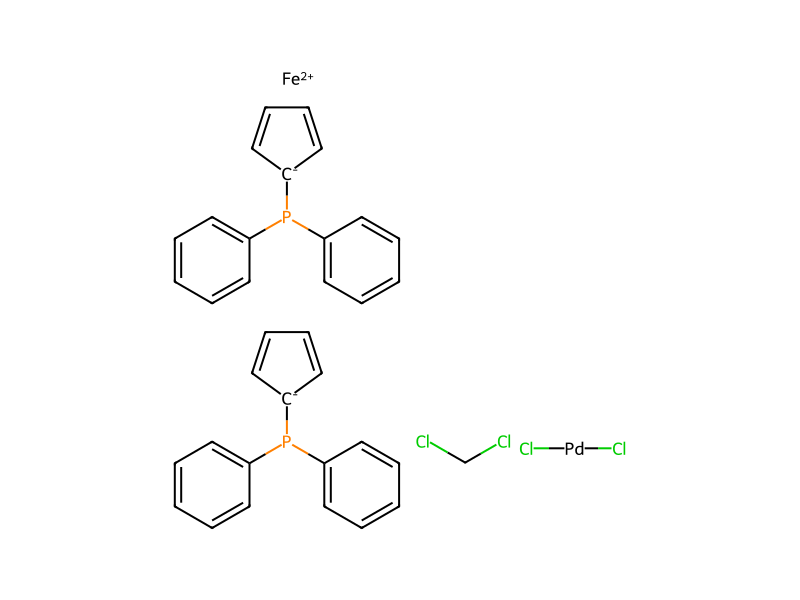
To a microwave reaction vessel was added 5-fluoro-6-iodo-1H-indole (1 g), potassium ferrocyanide (1.41 g), Na2CO3 (0.80 g), PdCl2(dppf)-CH2Cl2 adduct (0.31 g) and N,N-dimethylacetamide (DMA). The reaction vessel was then sealed and heated in Biotage Initiator using initial high to 140° C. for 2 hours. After cooling the reaction, the solvent was evaporated and the residue was partitioned between water (50 mL) and ethyl acetate (50 mL). The insolubles were filtered, the organics were evaporated and the residue was chromatographed on silica gel to give the designed product 5-fluoro-1H-indole-6-carbonitrile (D151) (0.25 g). MS (ES): C9H5FN2 requires 160.0; found 161.1 (M+H+).