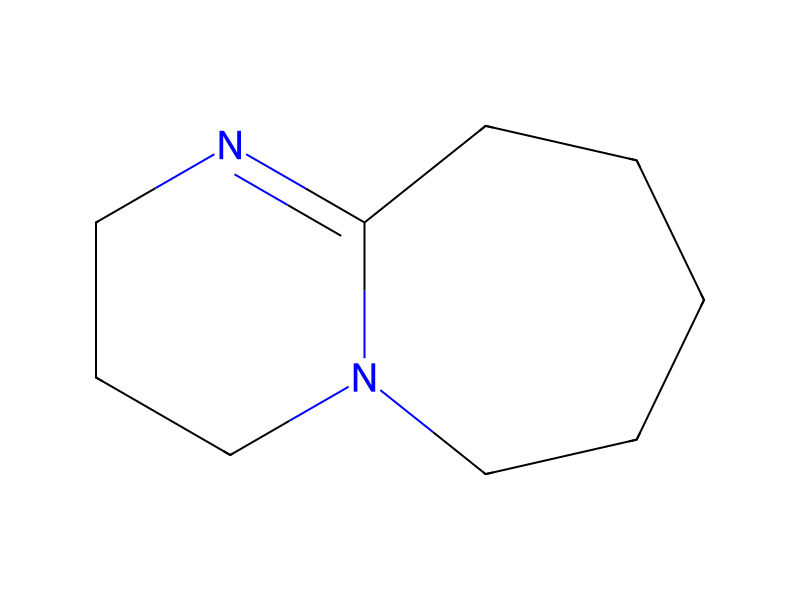
1,8-Diazabicyclo(5.4.0)undec-7-ene → HCID 86702793、化合物
HRID 1522909
反応式

Cl[CH2:2][C:3]([NH:5][C:6]1[CH:14]=[CH:13][C:9]([C:10]([NH2:12])=[O:11])=[CH:8][CH:7]=1)=[O:4].[NH:15]1[CH2:20][CH2:19][CH:18]([NH:21][C:22](=[O:28])[O:23][C:24]([CH3:27])([CH3:26])[CH3:25])[CH2:17][CH2:16]1.C1CCN2C(=NCCC2)CC1>C(#N)C>[C:10]([C:9]1[CH:13]=[CH:14][C:6]([NH:5][C:3](=[O:4])[CH2:2][N:15]2[CH2:16][CH2:17][CH:18]([NH:21][C:22](=[O:28])[O:23][C:24]([CH3:26])([CH3:25])[CH3:27])[CH2:19][CH2:20]2)=[CH:7][CH:8]=1)(=[O:11])[NH2:12]参加物
5



実験手順
A mixture of 4-(2-chloroacetamido)benzamide (0.57 g; 2.68 mmol), tert-butyl piperidin-4-ylcarbamate (0.55 g; 2.68 mmol) and DBU (0.40 mL; 2.68 mmol) in ACN (30 mL) is stirred at r.t. over night. Then the solvent is evaporated and the residue is dissolved in DCM. The solution is washed once with water, then with brine. The organic layer is dried and the solvent is evaporated. The residue is suspended in ether, filtered off with suction and dried to yield tert-butyl 1-(2-(4-carbamoylphenylamino)-2-oxoethyl)piperidin-4-ylcarbamate.