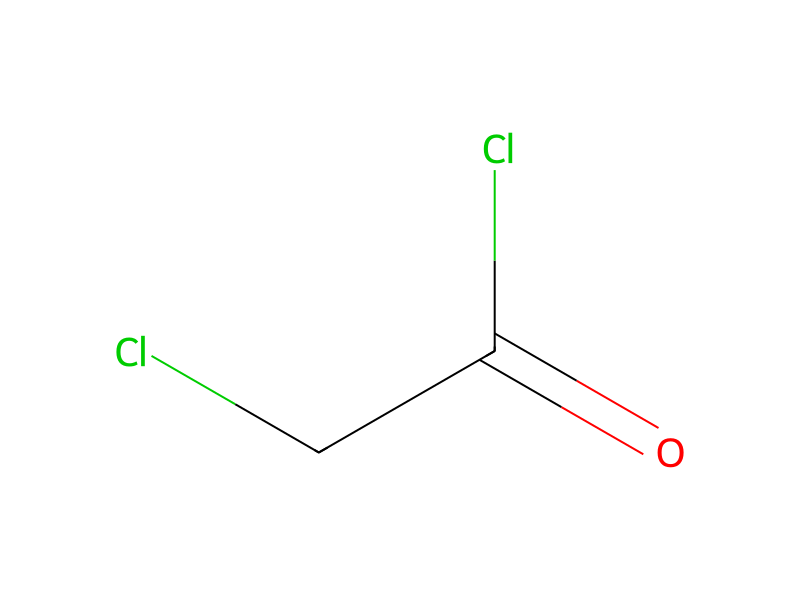
To a 100 mL round bottom flask containing tert-butyl 4-((ethylamino)methyl)-4-hydroxypiperidine-1-carboxylate (2.4 g) was added dichloromethane (30 mL) and triethylamine (3 mL, 21.52 mmol). An addition funnel was attached to the flask. The vessel was placed under nitrogen and the solution was cooled to 0° C. with an ice bath. In a separate vial, chloroacetyl chloride (1 mL, 12.48 mmol) was diluted with dichloromethane (20 mL) and transferred to the addition funnel. This mixture was added dropwise to the cold starting material over 10 min. The reaction mixture was then allowed to stir under nitrogen for 3 h while slowly allowing the ice bath to warm to room temperature. The reaction mixture was diluted with dichloromethane (100 mL) and was washed with water (2×50 mL) and brine (1×50 mL). The organic layer was separated, dried over sodium sulfate, filtered, and concentrated in vacuo to afford the title compound (3.23 g) which was carried forward without further purification. MS(ES)+ m/e 335.2 [M+H]+.