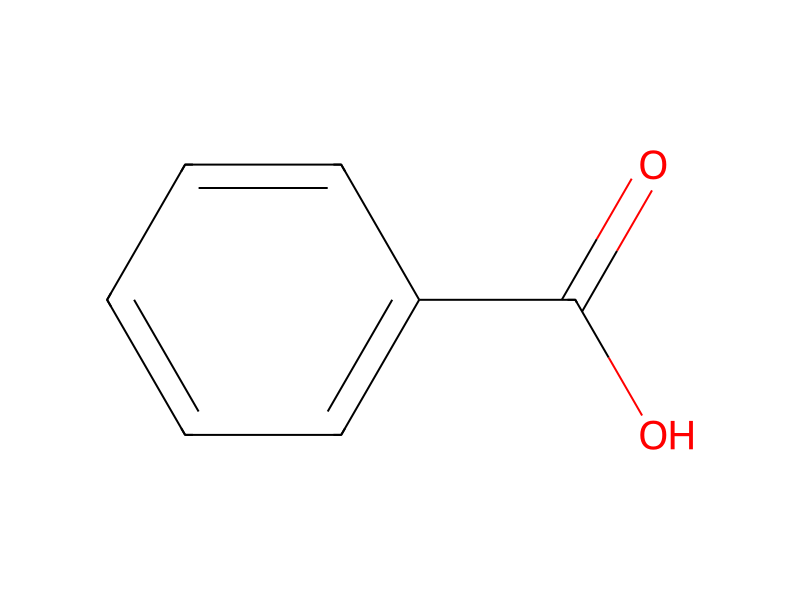
Benzoic Acid → 6-Methyl citronellol
HRID 1527811
反応式

[CH3:1][CH:2]([CH2:6][CH2:7][C:8]([CH3:12])=[C:9]([CH3:11])[CH3:10])[CH2:3][CH:4]=[O:5].C(O)(=O)C1C=CC=CC=1>CCCCCCC>[CH3:1][CH:2]([CH2:6][CH2:7][C:8]([CH3:12])=[C:9]([CH3:11])[CH3:10])[CH2:3][CH2:4][OH:5]参加物
4


反応条件
- 温度
- 100 °C
実験手順
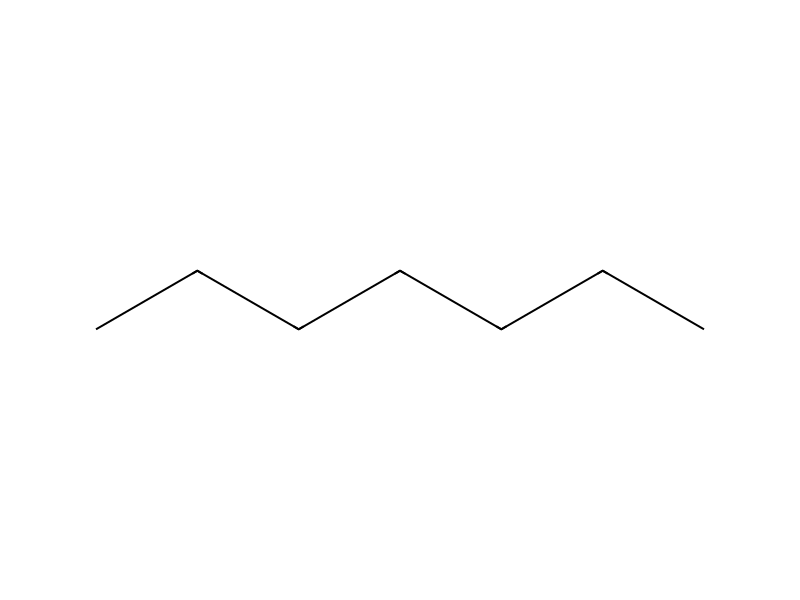
3,6,7-trimethyloct-6-enal (168 g, 1 mol.), heptane (168 g, 100 wt. %, technical grade), benzoic acid (3.05 g, 25 mmol, 2.5 mol.%) and (ethylenediamine)[1,2-bis(diphenylphosphino)ethane]ruthenium(bispivalate) (9.5 mg, 0.0125 mmol, 0.00125 mol.%) were loaded altogether in a 11 autoclave equipped with a mechanical stirring device. Sealed autoclave was then purged under stirring with nitrogen (3 times 5 bars) and hydrogen (3 times 5 bars) before being pressurized to 50 bars hydrogen. It was then heated to 100° C. and hydrogen pressure was maintained to 50 bars during all the reaction to afford desired product with complete selectivity. Upon reaction completion (checked by both hydrogen consumption and GC), autoclave was cooled down to 25° C. It was then depressurized and purged with nitrogen (3 times 5 bars) and reaction mixture was then transferred to a round-bottomed flask and solvent was removed under vacuum. After flash distillation, pure 3,6,7-trimethyloct-6-en-1-ol was obtained in 99% yield.