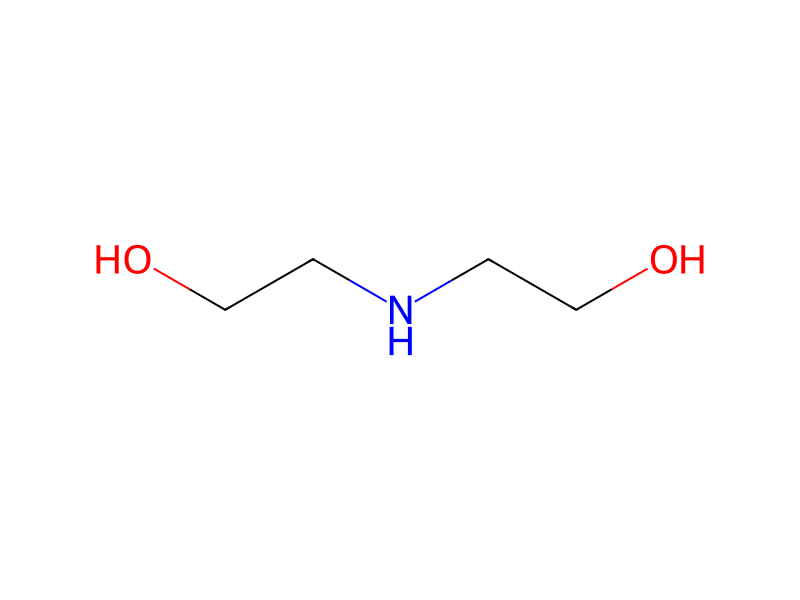
To a solution containing 16 g (49.90 mmol) of (−)-DIP-Cl in 30 mL of anhydrous THF, at −25° C. (dry ice, CCl4), under nitrogen, was added 10 g (44.74 mmol) of 2,2′,4′-trichloroacetophenone. The stoppered solution was stirred at −25° C. for about 7 hours, and then at room temperature overnight. THF was removed in vacuo, and (+)-α-pinene was removed under high vacuum at room temperature overnight. The resulting viscous colorless oil was dissolved in 200 mL of anhydrous ether, and cooled to 0° C. Diethanolamine (10.50 g, 0.10 mol) was added to the filtrate, and stirring was continued for 3 hours at room temperature. The white solid obtained was removed by filtration and washed with anhydrous ether. The colorless solution was evaporated to dryness to yield a viscous colorless oil. This oil was flash chromatographed on silica gel, first with hexanes to remove (+)-α-pinene. The product was eluted from the column with 93% hexanes/7% acetone to yield 11.30 g of a white solid. This solid was crystallized from hexanes at 0° C. Yield: 5.75 g (57%); TLC: 95% hexanes/5% acetone, Rf=0.10.