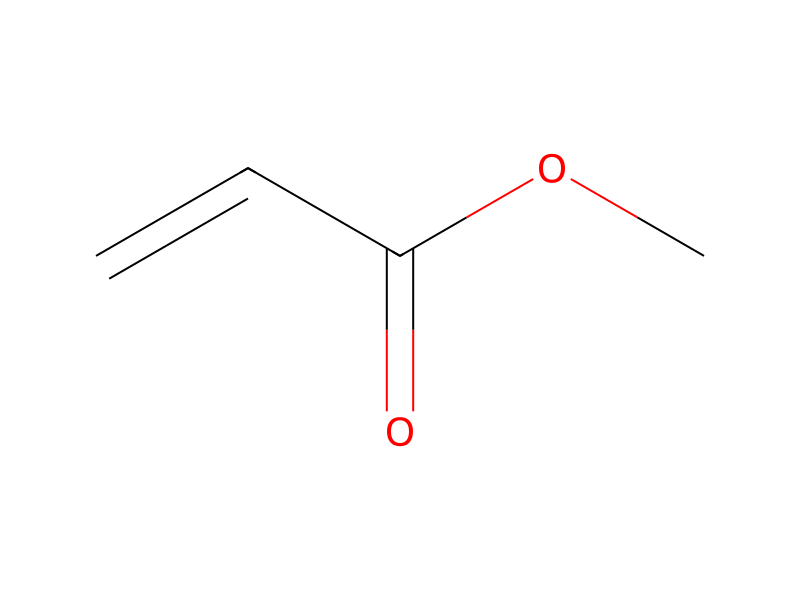
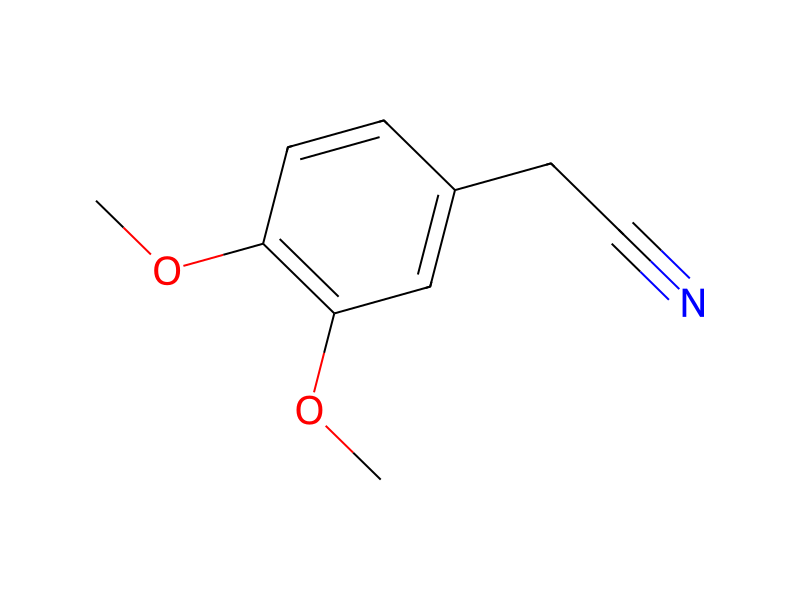
Methyl Acrylate → Dimethyl 4-cyano-4-(3,4-dimethoxyphenyl)heptanedioate
HRID 1576197
反応式

[CH3:1][O:2][C:3]1[CH:4]=[C:5]([CH2:11][C:12]#[N:13])[CH:6]=[CH:7][C:8]=1[O:9][CH3:10].[C:14]([O:18][CH3:19])(=[O:17])[CH:15]=[CH2:16]>C(O)(C)(C)C>[CH3:19][O:18][C:14](=[O:17])[CH2:15][CH2:16][C:11]([C:12]#[N:13])([C:5]1[CH:6]=[CH:7][C:8]([O:9][CH3:10])=[C:3]([O:2][CH3:1])[CH:4]=1)[CH2:16][CH2:15][C:14]([O:18][CH3:19])=[O:17]参加物
4


実験手順
A mixture of 25 g. (0.141 mole) of the known compound (3,4-dimethoxyphenyl)acetonitrile and 66 ml. of methyl acrylate in 70 ml. of t-butyl alcohol is heated to reflux. The heat is removed and 21.5 ml. of 40% methanolic Triton B in 32 ml. of t-butyl alcohol quickly added. After about 4 hours of heating at reflux the mixture is allowed to cool and taken up in water and benzene. The organic layer is washed successively with 2.5 N hydrochloric acid, water and brine and then evaporated to dryness. The residue is distilled under vacuum, first at 40 mm. of mercury to remove excess methyl acrylate and then at 0.20 mm. to give 32.22 g. (65.4% yield) of dimethyl-4-cyano-4-(3,4-dimethoxyphenyl)pimelate, having a boiling point of 210° to 214°C. The NMR spectrum of the compound confirms its expected structure.