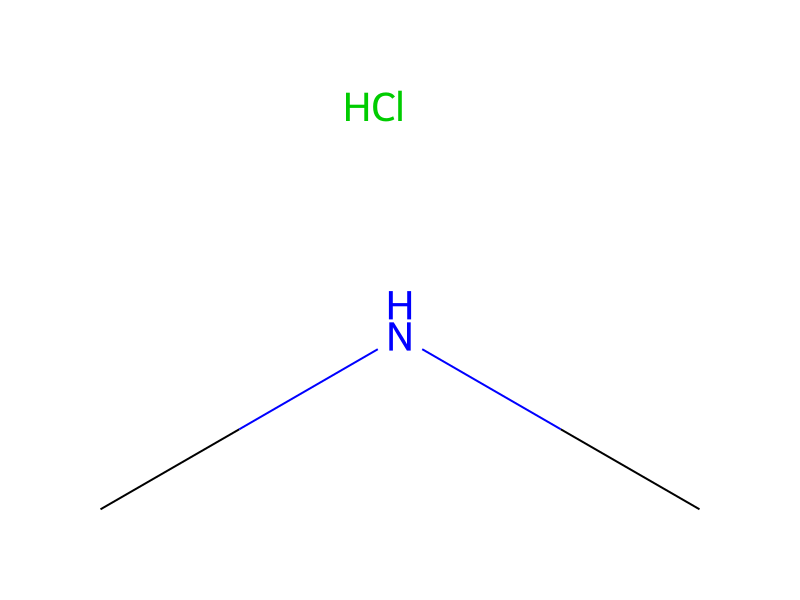
[CH3:1][O:2][C:3]1[CH:8]=[CH:7][C:6]([C:9]2[N:10]=[C:11]([C:22]([O:24]CC)=O)[S:12][C:13]=2[C:14]2[CH:19]=[CH:18][C:17]([O:20][CH3:21])=[CH:16][CH:15]=2)=[CH:5][CH:4]=1.Cl.[CH3:28][NH:29][CH3:30].C(N(CC)CC)C>C(O)C.C(OCC)(=O)C.O>[CH3:1][O:2][C:3]1[CH:8]=[CH:7][C:6]([C:9]2[N:10]=[C:11]([C:22](=[O:24])[N:29]([CH3:30])[CH3:28])[S:12][C:13]=2[C:14]2[CH:19]=[CH:18][C:17]([O:20][CH3:21])=[CH:16][CH:15]=2)=[CH:5][CH:4]=1A mixture of 4,5-bis(4-methoxyphenyl)-2-ethoxycarbonylthiazole (1.50 g), dimethylamine hydrochloride (6.62 g) and triethylamine (11.32 ml) in ethanol (15 ml) was heated at 100° C. for 85 hours in a sealed tube. After allowing to cool to ambient temperature, the mixture was dissolved in ethyl acetate and water. The separated organic layer was washed with water and brine, dried over magnesium sulfate and treated with activated charcoal. After filtration, the filtrate was evaporated in vacuo. The residue was subjected to column chromatography on silica gel (75 g) and eluted with chloroform. The fractions containing the object compound were combined and evaporated in vacuo, to give a oily compound of 4,5-bis(4-methoxyphenyl)-2-(N,N-dimethylcarbamoyl)thiazole (0.36 g).