反応式

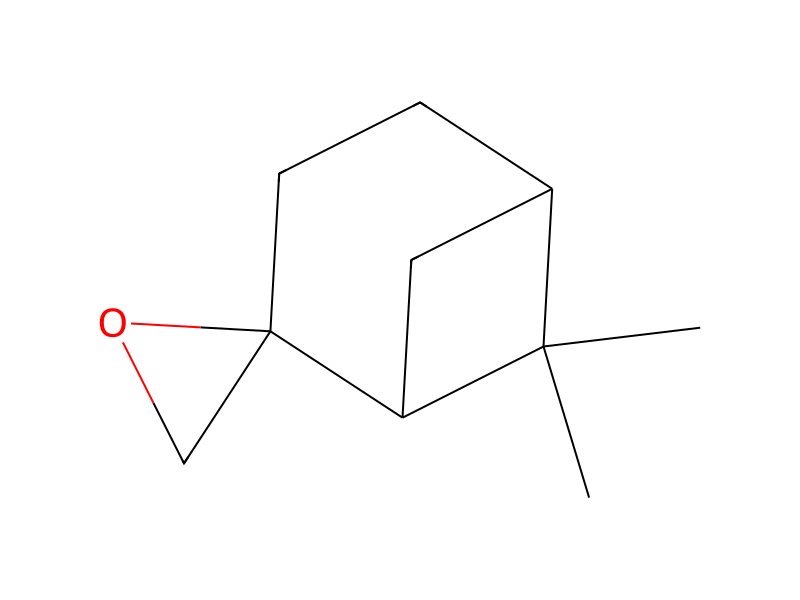
[CH3:1][C:2]([C@@H:4]1[CH2:9][CH:8]=[C:7]([CH2:10][OH:11])[CH2:6][CH2:5]1)=[CH2:3].[CH3:12][C:13]1([CH3:22])[CH:18]2[CH2:19][CH:14]1[CH2:15][CH2:16][C:17]12[O:21][CH2:20]1>>[CH3:3][C:2]([CH:4]1[CH2:5][CH:6]=[C:7]([CH2:10][O:11][C:20]([CH3:17])=[O:21])[CH2:8][CH2:9]1)=[CH2:1].[CH3:12][C:13]1([CH3:22])[CH:18]2[CH2:19][CH:14]1[CH2:15][CH2:16][C:17]12[O:21][CH2:20]1参加物


実験手順
Among other routes that have been developed to prepare perillyl alcohol from beta pinene oxide is that reported by T. K. Keenan in 1966 who produced perillyl acetate from beta-pinene oxide by refluxing beta-pinene oxide with acetic anhydride and acetic acid for seven hours followed by removal of the acetate to afford a nine percent (9%) yield of perillyl alcohol based on the starting beta-pinene oxide (B.S. Thesis Mass. Institute of Tech.). The applicants found the process to be reproducible albeit in low yield. F. C. Delay in Swiss Patent 5671/84 reported the production of perillyl alcohol in which he treated beta-pinene oxide with nitromethane and ammonium nitrite at a temperature between 20° C. and 90° C. in an overall yield of thirty percent (30%). Two years later Wang and co-workers published in Tetrahedron 1986, 620-638 complete details of this procedure and reported an overall yield of sixty-eight percent (68%) perillyl alcohol.
出典と根拠
- ORDレコード
- ord-141cab9e1a1241929399086c3586df2b
- 出典データセット
- uspto-grants-1999_11
- 特許番号
- US05994598
関連ノート
読み込み中…