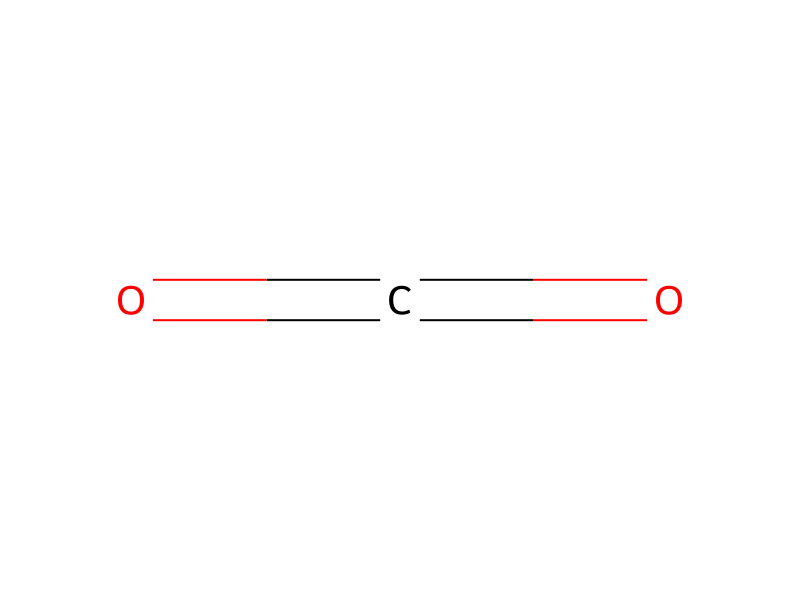
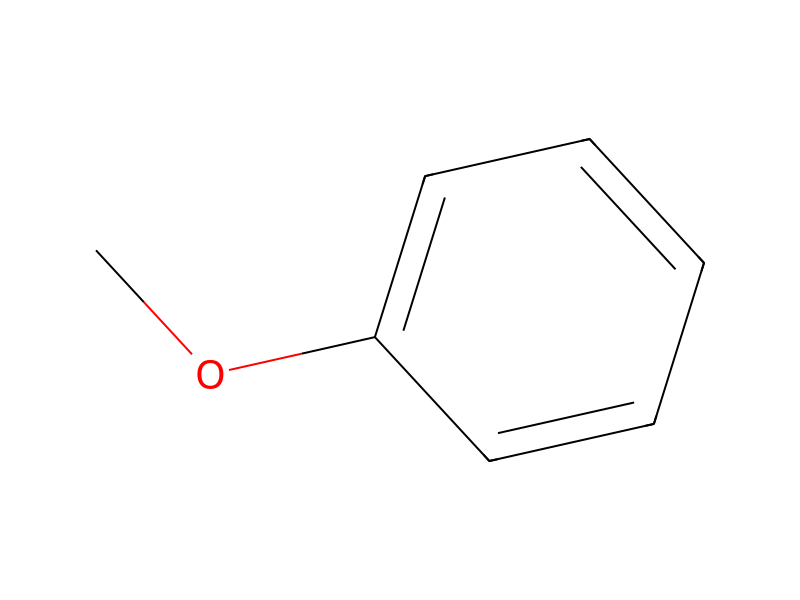
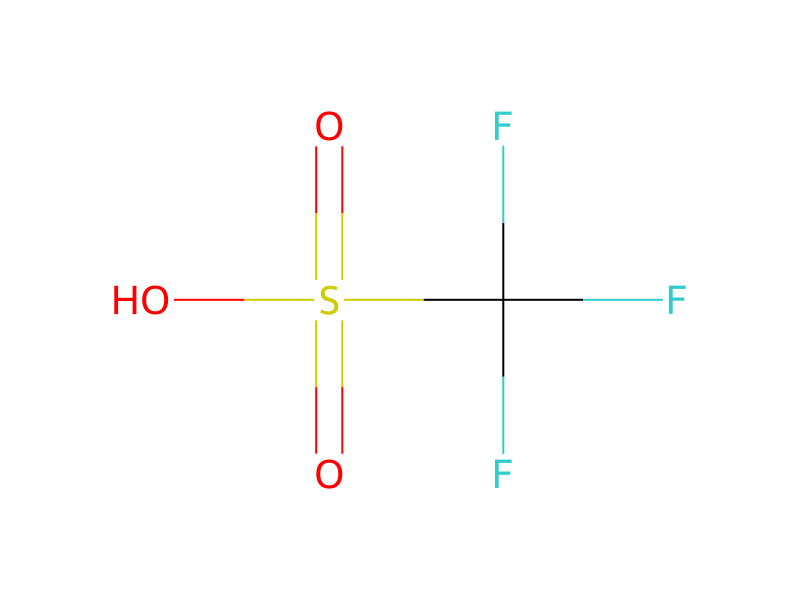
C(OC([N:11]1[CH2:14][C:13]([N+:18]([O-:20])=[O:19])([N+:15]([O-:17])=[O:16])[CH2:12]1)=O)C1C=CC=CC=1.C1(OC)C=CC=CC=1.[F:29][C:30]([F:36])([F:35])[S:31]([OH:34])(=[O:33])=[O:32].C(=O)=O>C(Cl)Cl.C(OCC)C>[F:29][C:30]([F:36])([F:35])[S:31]([O-:34])(=[O:33])=[O:32].[N+:15]([C:13]1([N+:18]([O-:20])=[O:19])[CH2:14][NH2+:11][CH2:12]1)([O-:17])=[O:16]To a solution of 1-(benzyloxycarbonyl)-3,3-dinitroazetidine (8.0 g, 0.028 mole) in 80 ml of methylene chloride containing anisole (9.24 g, 0.08 mole) was added trifluoromethanesulfonic acid (10 g, 0.067 mole), slowly with vigorous stirring at room temperature. Carbon dioxide was evolved and the solution turned light red in color. Stirring was continued for about 30 minutes after the addition. Diethyl ether was added slowly to quench the reaction and precipitate the resultant product. The solids were filtered, washed with diethyl ether and air-dried to give 4.10 g (97% yield) of pure 3,3-dinitroazetidinium trifluoromethanesulfonate. The melting point of the product was 176° (dec.).