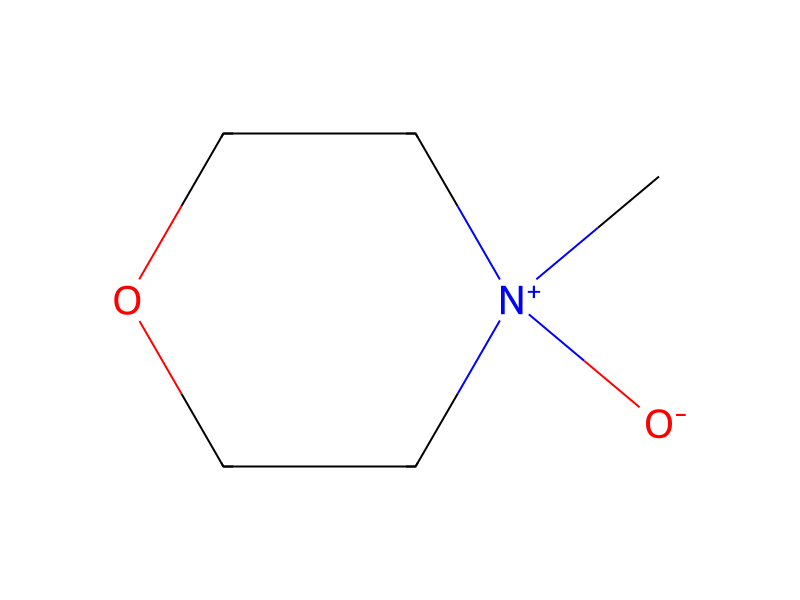
[Cl:1][C:2]1[C:11]2[C:6](=[CH:7][C:8]([F:12])=[CH:9][CH:10]=2)[N:5]=[C:4]([C:13]2[CH:18]=[CH:17][CH:16]=[CH:15][C:14]=2[S:19][CH3:20])[C:3]=1[CH3:21].[OH2:22].C[N+]1([O-])CC[O:27]CC1>CC(C)=O.[Os](=O)(=O)(=O)=O>[Cl:1][C:2]1[C:11]2[C:6](=[CH:7][C:8]([F:12])=[CH:9][CH:10]=2)[N:5]=[C:4]([C:13]2[CH:18]=[CH:17][CH:16]=[CH:15][C:14]=2[S:19]([CH3:20])(=[O:27])=[O:22])[C:3]=1[CH3:21]To a solution of 4-chloro-7-fluoro-3-methyl-2-(2-(methylthio)phenyl)quinoline (95 mg, 0.30 mmol) (described herein) in acetone (3.5 mL) and water (0.88 mL) was sequentially added NMO (105 mg, 0.90 mmol) and osmium tetroxide (4.7 μL, 0.015 mmol). The reaction mixture was stirred at rt for 35 h, then quenched with 15 mL 10% aqueous sodium thiosulfate solution, concentrated to remove the acetone, and partitioned between EtOAc and 10% aqueous sodium thiosulfate solution. The organic layer was washed with brine, dried (MgSO4), and concentrated, affording 4-chloro-7-fluoro-3-methyl-2-(2-(methylsulfonyl)-phenyl)quinoline. Mass Spectrum (ESI) m/e=350 (M+1).