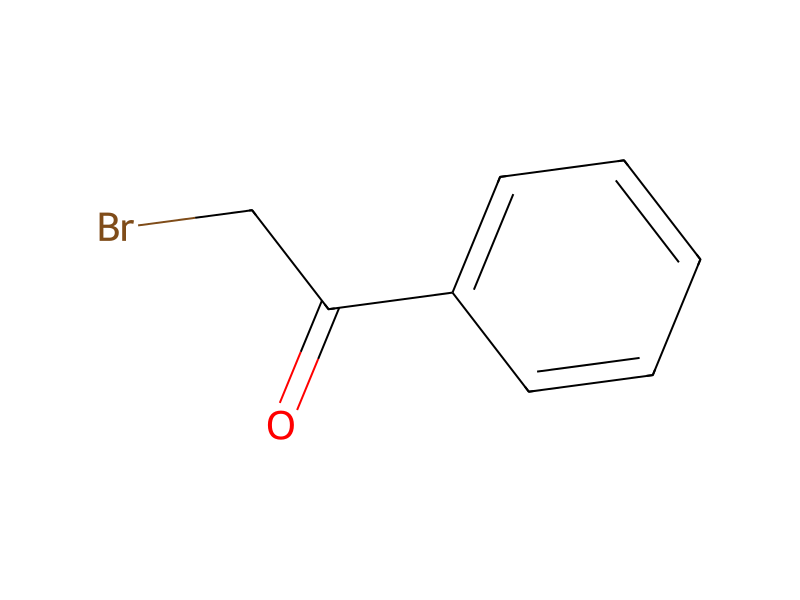
After 41 g of the crude product of 6,7-difluoroisatin was added to 200 mL of water, 75.3 g of potassium hydroxide (6 equivalents) was added thereto under ice-cooling and the mixture was stirred for 30 minutes. 42 g of bromoacetophenone (1.4 equivalents) was added dropwise to the suspension while maintaining the internal temperature of the reaction solution at 20 to 25° C., and the mixture was further stirred overnight at room temperature. After the resultant was neutralized with concentrated hydrochloric acid, the precipitated crystals were collected by filtration and washed with a small amount of water. The thus obtained crystals were sufficiently dried, and then added little by little to 100 mL of nitrobenzene heated to 130 to 140° C., and the mixture was stirred further for 1 hour at 150° C. After the reaction solution was cooled to room temperature, the precipitated crystals were washed with chloroform to obtain 26.3 g of 7,8-difluoro-3-hydroxy-2-methylquinoline.