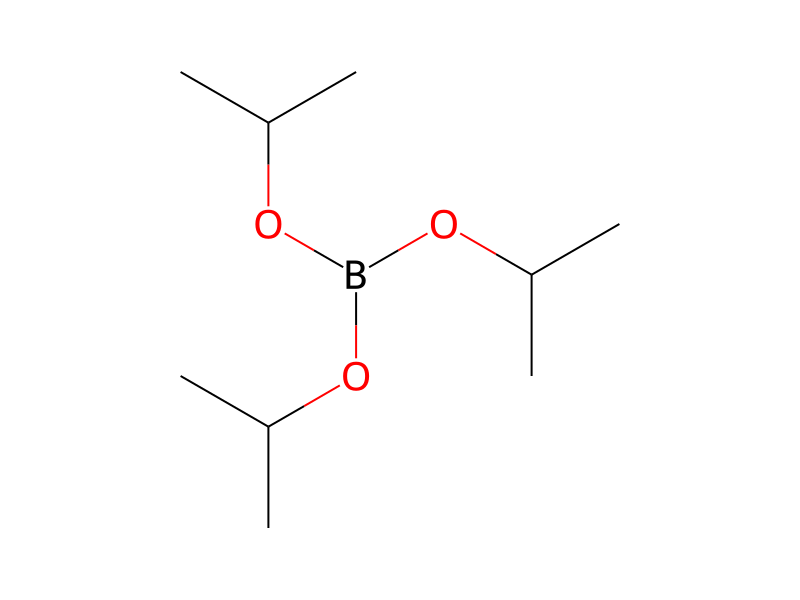
Diisopropylamine (1.74 ml, 1.24 g, 12.20 mmol) was dissolved in anhydrous THF (22 ml) and placed under argon. The solution was cooled to −20° C. and then treated with n-butyllithium (7.66 ml, 12.25 mmol, 1.6 M in hexanes) by slow addition over 10 min. The newly formed LDA (LDA=lithium diisopropylamide, this acronyl should be listed in the general session) was then cooled to −78° C. and treated with a solution of 2,5-difluoropyridine (1.05 ml, 1.33 g, 11.56 mmol) dissolved in anhydrous THF (3 ml) by slow addition over 30 min. Once the addition was complete the reaction mixture was allowed to stir at −78° C. for 4 hr. At this time the reaction mixture was treated with a solution of triisopropyl borate (5.90 ml, 4.78 g, 25.4 mmol) dissolved in anhydrous THF (8.6 ml) by dropwise addition. Once the addition was complete the reaction mixture was allowed to warm to ambient temperature then stirred at ambient temperature for an additional hour. The reaction mixture was then quenched by adding 4% aq NaOH (34 ml). The layers were separated and the aqueous layer was cooled in an ice bath. It was then acidified to pH=4 with 6N HCl (˜10 ml) not letting the temperature go above 10° C. This was then extracted with EtOAc (3×50 ml). The extracts were then washed with brine (1×50 ml), dried (Na2SO4), filtered, and the solvent removed in vacuo. The resulting residue was triturated with Et2O to give 0.8084 g (44%) of 2,5-difluoropyridin-4-ylboronic acid.