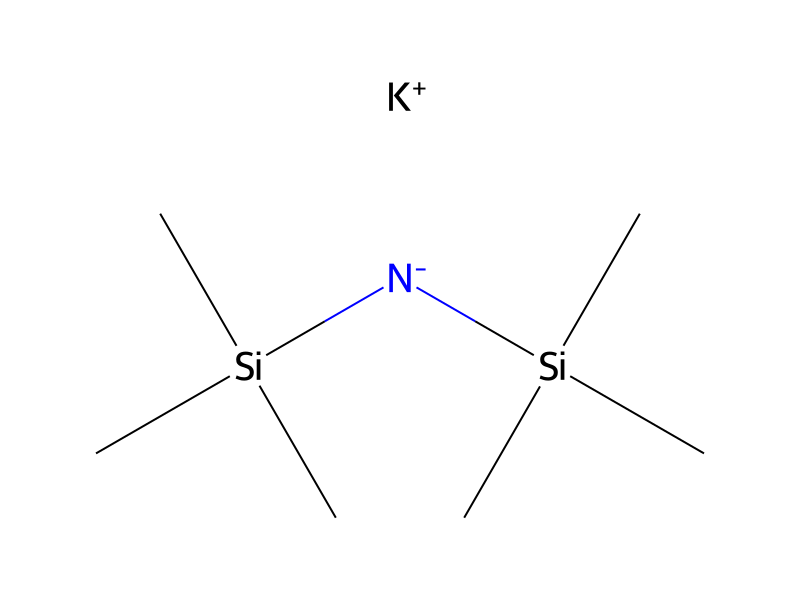
A flask is charged with 5-chloro-3-methyl-2-pyridin-3-yl-1H-indole hydrochloride (Example 2, 1.0 g, 3.58 mmol) and THF (20 mL) and cooled to 0° C. KHMDS (0.5 M in toluene, 17.9 mL, 8.95 mmol) is added and the mixture is stirred at room temperature for 30 min, followed by addition of 2,2-dimethyl-propionic acid chloromethyl ester (2.58 mL, 8.95 mmol). The reaction mixture is stirred at room temperature for 3.5 h, then washed with water and extracted with ethyl acetate twice. The organic layer is dried over sodium sulfate and concentrated in vacuo. The residue is purified by silica gel flash chromatography (heptane-ethyl acetate, 1:1) to afford an oil, which is taken up in diethyl ether. A few drops of concentrated HCl are added. Evaporation of the solvent and lyophilization give 2,2-dimethyl-propionic acid 5-chloro-3-methyl-2-pyridin-3-yl-indol-1-ylmethyl ester as a solid. 1H NMR (400 MHz, MeOD) δ ppm (HCl salt) 1.12 (s, 9H), 2.27 (s, 3H), 6.06 (s, 2H), 7.30 (dd, J=8.6, 2.0 Hz, 1H), 7.60 (s, 1H), 7.63 (d, J=2.3 Hz, 1H), 7.74 (dd, J=7.8, 5.1 Hz, 1H), 8.01-8.16 (m, 1H), 8.64-8.79 (m, 2H). HRMS (ESI) m/z 357.1121 [(M+H)+ Calcd for C20H22ClN2O2: 357.1127].