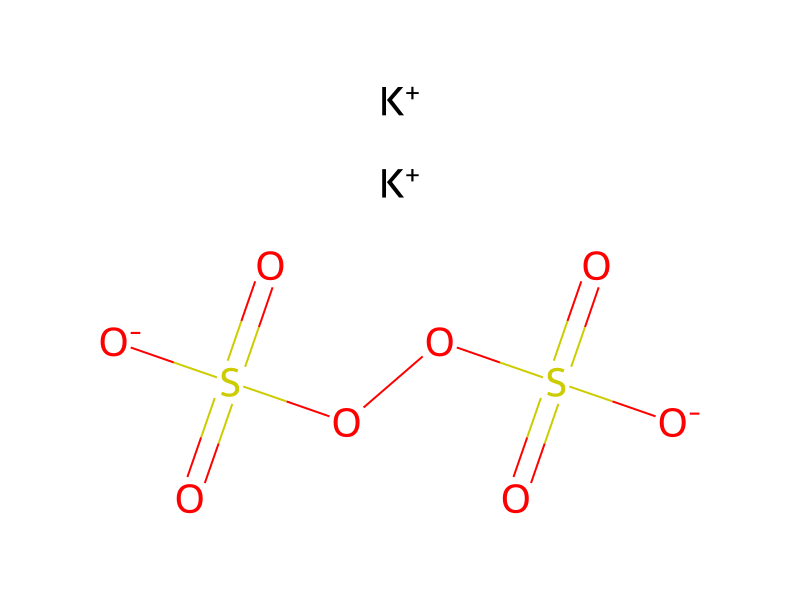
S(=O)(=O)(O)O.[O-]S(OOS([O-])(=O)=O)(=O)=O.[K+].[K+].[Br:18][C:19]1[CH2:23][CH:22]([C:24]([O:26][CH2:27][CH2:28][CH2:29][CH2:30][CH3:31])=[O:25])[N:21]([C:32]2[C:37]([Cl:38])=[CH:36][CH:35]=[CH:34][N:33]=2)[N:20]=1.C(#N)C>O>[Br:18][C:19]1[CH:23]=[C:22]([C:24]([O:26][CH2:27][CH2:28][CH2:29][CH2:30][CH3:31])=[O:25])[N:21]([C:32]2[C:37]([Cl:38])=[CH:36][CH:35]=[CH:34][N:33]=2)[N:20]=10.5 ml of concentrated sulfuric acid and 1.4 g of potassium peroxodisulfate were added to a mixed solution comprising 1.0 g of pentyl 3-bromo-1-(3-chloropyridin-2-yl)-4,5-dihydro-1H-pyrazole-5-carboxylate and 20 ml of acetonitrile, followed by reflux with heating for 3 hours and 20 minutes. After the reaction liquid was stood to cool, the reaction liquid was slowly added to water, followed by stirring for 15 minutes. The mixed liquid was subjected to extraction with ethyl acetate, and the organic layer was washed with a saturated sodium hydrogen carbonate aqueous solution and a sodium chloride aqueous solution and dried over anhydrous sodium sulfate. The solvent was distilled off under reduced pressure, and the residue was purified by silica gel column chromatography (eluent: n-hexane/ethyl acetate=8.5/1.5 to 8/2) to obtain 0.47 g of the oily desired product.