反応式

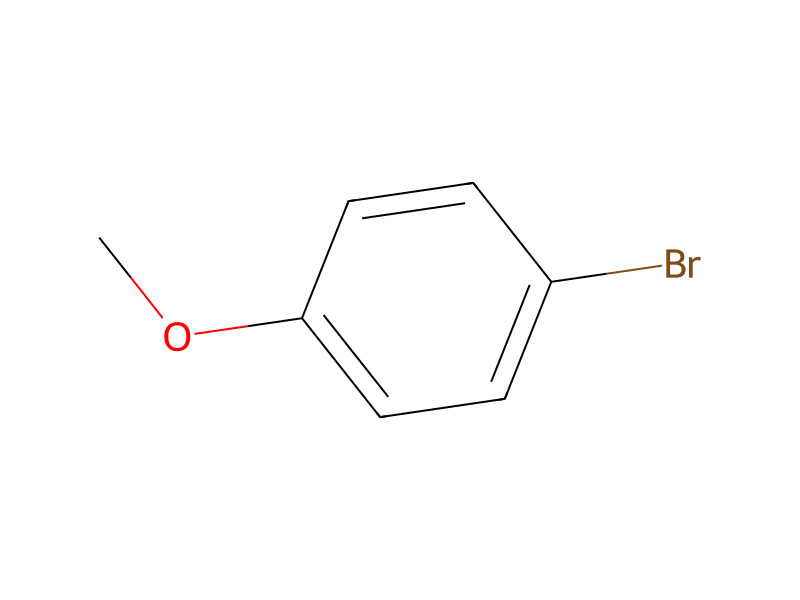
[CH:1]1[C:6]([OH:7])=[CH:5][CH:4]=[C:3]([Br:8])[CH:2]=1.O[C:10]1C=CC(C2C=C[C:19]([OH:22])=CC=2)=CC=1.Br[C:24]1[CH:29]=[CH:28][C:27]([O:30][CH3:31])=[CH:26][CH:25]=1>>[CH3:10][O:7][C:6]1[CH:5]=[CH:4][C:3]([C:24]2[CH:29]=[CH:28][C:27]([O:30][CH3:31])=[CH:26][CH:25]=2)=[CH:2][CH:1]=1.[Br:8][C:3]1[CH:4]=[CH:5][CH:6]=[CH:1][C:2]=1[C:19]([OH:22])=[O:30]参加物
5



実験手順
However, Busch et al. found that with aromatic compounds containing polar substituents, the selectivity to biphenyls was much lower. For example, p-bromophenol gave ca. 13.4% 4,4'-dihydroxybiphenyl, p-bromoanisole gave ca. 35% 4,4'-dimethoxybiphenyl, bromobenzoic acid gave 40% 4,4'-biphenyldicarboxylic acid and 3-bromobenzoic acid gave 56.5% 3,3'-biphenyldicarboxylic acid.
出典と根拠
- ORDレコード
- ord-6c322c571a7648399c8d3497427d5a68
- 出典データセット
- uspto-grants-1993_01
- 特許番号
- US05177258
関連ノート
読み込み中…