反応式

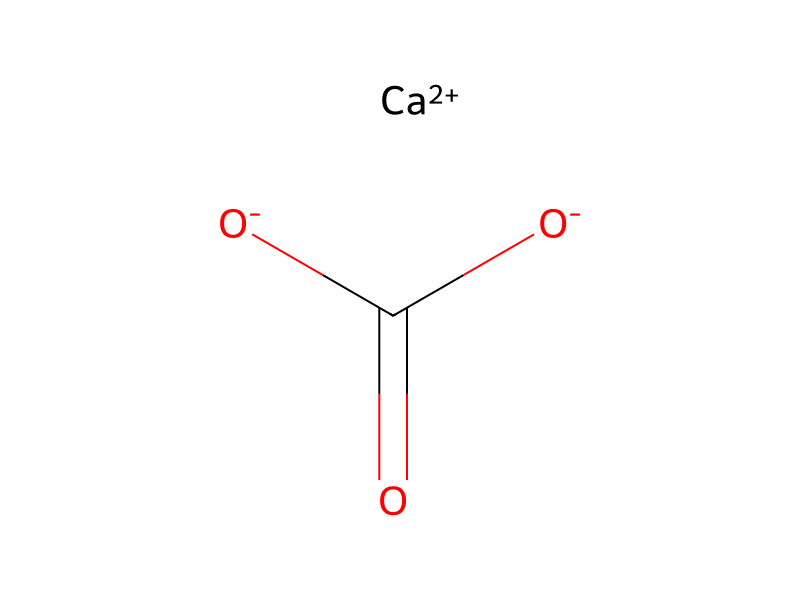
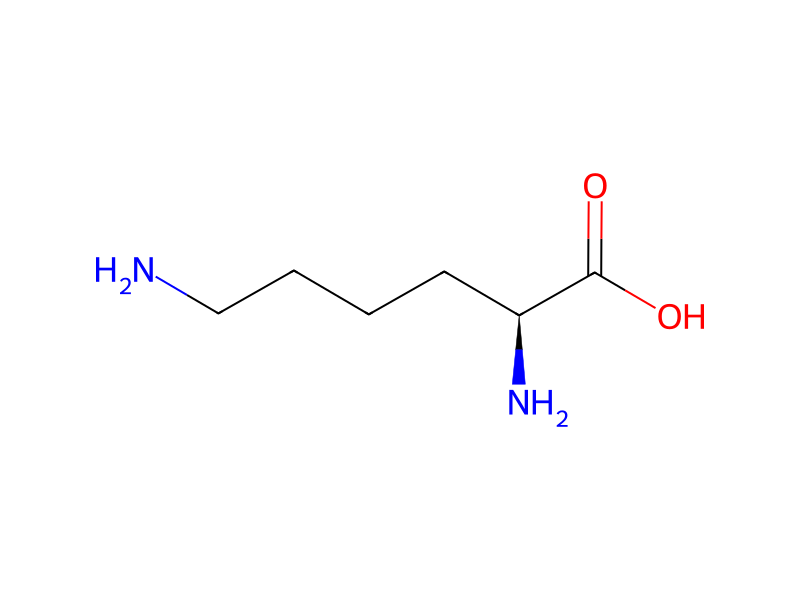
O=C[C@@H]([C@H]([C@@H]([C@@H](CO)O)O)O)O.[Cl-].[NH4+:14].OP([O-])(O)=O.[K+].Cl.S1C=CC=CC1.OC(CC[CH2:33][CH2:34][C@H:35]1[C@@H:43]2[C@@H:38]([NH:39]C(N2)=O)CS1)=O.[C:44](=[O:47])([O-])[O-:45].[Ca+2]>>[NH2:14][C@H:33]([C:44]([OH:45])=[O:47])[CH2:34][CH2:35][CH2:43][CH2:38][NH2:39]参加物




反応条件
- 温度
- 115 °C
実験手順
A culture medium containing 36 mg/ml glucose, 20 mg/ml ammonium chloride, 1 mg/ml KH2PO4, 0.4 mg/ml MgSO4.7H2O, 10 μg/ml FeSO4.7H2O, 8 μg/ml MnSO4.7H2O, 1 μg/ml (as N) of acid hydrolyzate of soybean protein, 0.1 μg/ml thiamin hydrochloride and 0.3 μg/ml biotin was prepared. Thirty milliliters of this medium was dispensed in 500-ml shake flasks, sterilized by heating at 115° C. for ten minutes, and 1 g each of calcium carbonate, previously sterilized by dry heating, was further added. Each strain listed in Table 2 was innoculated to this medium, and fermentation was continued at 31.5° C. for 48 hours on a reciprocating shaker. Table 3 shows the amount of L-lysine accumulated in each fermentation liquor. As is apparent from the table, all of the drug-resistant strains tested produced L-lysine in good yields.
後処理
- customwas prepared
- customThirty milliliters of this medium was dispensed in 500-ml shake flasks
- customby dry
- temperatureheating
- additionwas further added
出典と根拠
- ORDレコード
- ord-6e6476b6b05f48ef9b82dbbbefef5549
- 出典データセット
- uspto-grants-1993_01
- 特許番号
- US05179010
関連ノート
読み込み中…