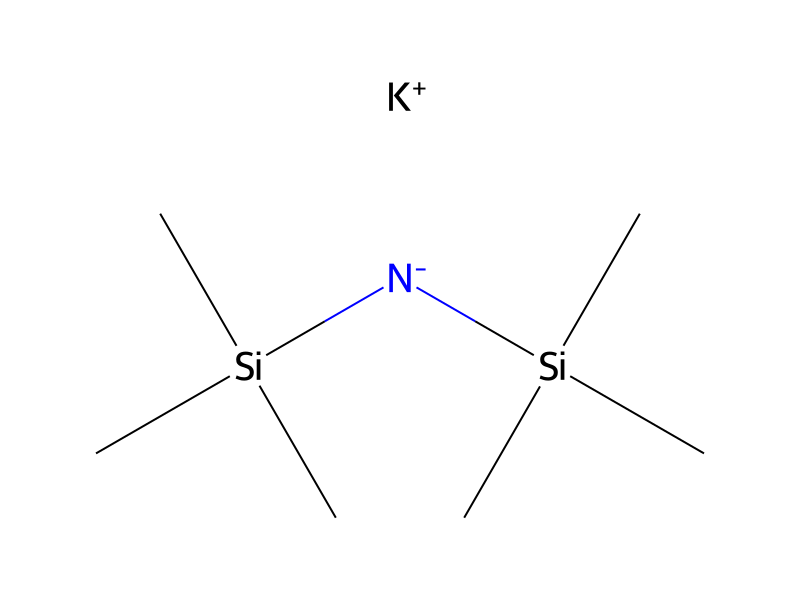
A flask is charged with 3-methyl-2-pyridin-3-yl-1H-indole hydrochloride (Example 1, 0.100 g, 0.408 mmol) in THF (2.5 mL) and cooled to 0° C. KHMDS (0.5 M in toluene, 1.8 mL, 0.898 mmol) is added and the mixture is stirred at room temperature for 30 min, followed by addition of 3-cyano-benzoyl chloride (0.135 g, 0.817 mmol). The reaction mixture is stirred for 0.5 h, then quenched with saturated ammonium chloride and extracted with ethyl acetate. The organic layer is dried over sodium sulfate and concentrated in vacuo. The residue is purified by reverse phase HPLC with Xbridge Shield RP18 column and a 0.1% aqueous NH4OH in acetonitrile gradient to afford 3-(3-methyl-2-pyridin-3-yl-indole-1-carbonyl)-benzonitrile product as a yellow solid. 1H NMR (400 MHz, MeOD) δ ppm 2.31 (s, 3H), 7.32 (ddd, J=7.9, 4.9, 0.9 Hz, 1H), 7.37-7.44 (m, 2H), 7.66-7.70 (m, 4H), 7.71-7.76 (m, 2H), 7.85-7.91 (m, 1H), 8.37 (dd, J=5.1, 1.5 Hz, 1H), 8.46 (dd, J=2.3, 0.8 Hz, 1H). HRMS (ESI) m/z 338.1293 [(M+H)+ Calcd for C22H16N3O: 338.1293].