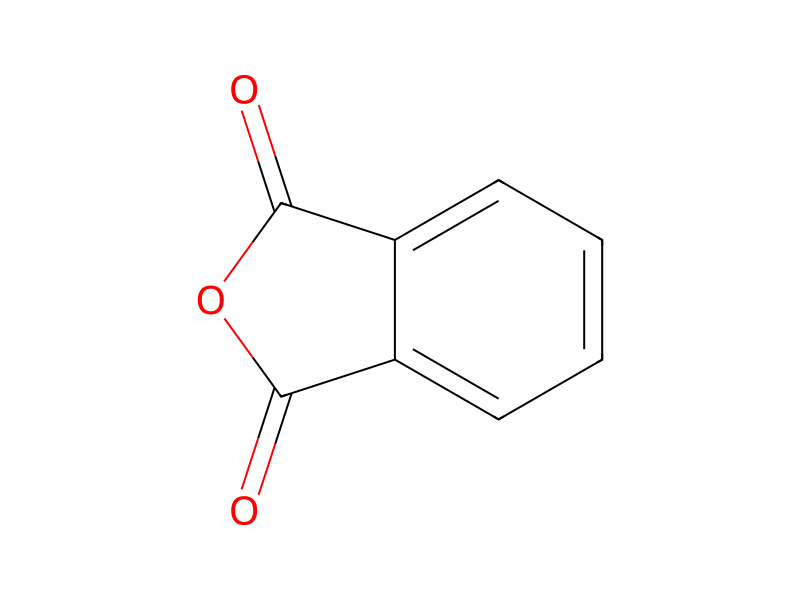
[F:1][C:2]([F:8])([CH2:6][NH2:7])[C:3]([OH:5])=[O:4].[C:9]1(=O)[O:14][C:12](=[O:13])[C:11]2=[CH:15][CH:16]=[CH:17][CH:18]=[C:10]12.C(N(CC)CC)C.O>C1(C)C=CC=CC=1>[O:13]=[C:12]1[C:11]2[C:10](=[CH:18][CH:17]=[CH:16][CH:15]=2)[C:9](=[O:14])[N:7]1[CH2:6][C:2]([F:8])([F:1])[C:3]([OH:5])=[O:4]A suspension of 2,2-difluoro-3-aminopropionic acid A1 (7.08 g, 56.6 mmol) in 250 ml of toluene was treated with phthalic anhydride (8.80 g, 59.4 mmol) and triethylamine (20 mL, 14.35 g, 14.4 mmol) and refluxed with water removed by a Dean-Stark trap, drained 5 times at intervals. After cooling to ambient temperature the solvent was removed in vacuo at 30° C. The residue obtained was partitioned between ethyl acetate and ˜2N HCl (aq) with the aqueous phase extracted a second time with ethyl acetate. Evaporation at 30° C. (in vacuo) of the combined organic phases that had been washed with ˜2N HCl, brine and dried (Na2SO4) afforded 3-(1,3-Dioxo-1,3-dihydro-isoindol-2-yl)-2,2-difluoro-propionic acid (13.74 g) A2.