反応式

[CH2:1](Br)[C:2]1[CH:7]=[CH:6][CH:5]=[CH:4][CH:3]=1.Br[C:10]1[CH:15]=[CH:14][C:13]([CH:16]2[O:20][CH2:19][CH2:18][O:17]2)=[CH:12][N:11]=1>[Zn].[Ni](Cl)Cl.C1(P(C2C=CC=CC=2)C2C=CC=CC=2)C=CC=CC=1.C1(P(C2C=CC=CC=2)C2C=CC=CC=2)C=CC=CC=1.O1CCCC1>[CH2:1]([C:10]1[CH:15]=[CH:14][C:13]([CH:16]2[O:17][CH2:18][CH2:19][O:20]2)=[CH:12][N:11]=1)[C:2]1[CH:7]=[CH:6][CH:5]=[CH:4][CH:3]=1参加物





実験手順
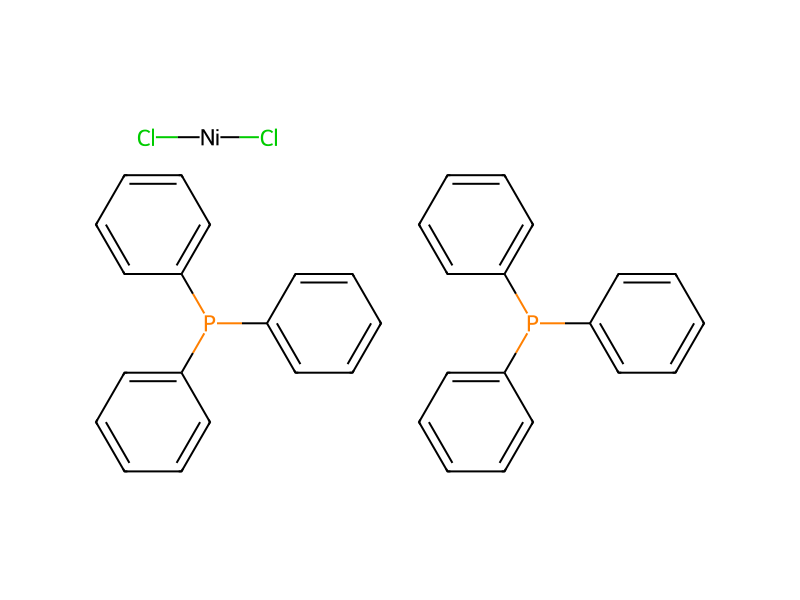
To a suspension of zinc (5.0 g, 77 mmol, highly reactive Rieke metal, 100 mL tetrahydrofuran suspension) and tetrahydrofuran (300 mL) was added dropwise benzyl bromide (7.9 mL, 66 mmol) at 0° C., which was stirred for 4 hours at the same temperature. To this suspension were added bis(triphenylphosphine) nickel (II) chloride (5.8 g, 8.8 mmol) and 2-bromo-5-[1,3]dioxolan-2-yl-pyridine (11 g, 49 mmol) described in Manufacturing Example 210-1-2, which was stirred for another 2 hours at room temperature. The reaction solution was partitioned into ethyl acetate and an ammonium chloride aqueous solution. The organic layer was separated and concentrated under a reduced pressure. The residue was purified by silica gel column chromatography (heptane:ethyl acetate=2:1, 1:1) to obtain the title compound (7.3 g, 62%).
後処理
- stirringwas stirred for another 2 hours at room temperature
- customThe reaction solution was partitioned into ethyl acetate
- customThe organic layer was separated
- concentrationconcentrated under a reduced pressure
- customThe residue was purified by silica gel column chromatography (heptane:ethyl acetate=2:1, 1:1)
出典と根拠
- ORDレコード
- ord-c2537ffd8e794ebaaac700a2b79ee09b
- 出典データセット
- uspto-grants-2012_04
- 特許番号
- US08153662B2
関連ノート
読み込み中…