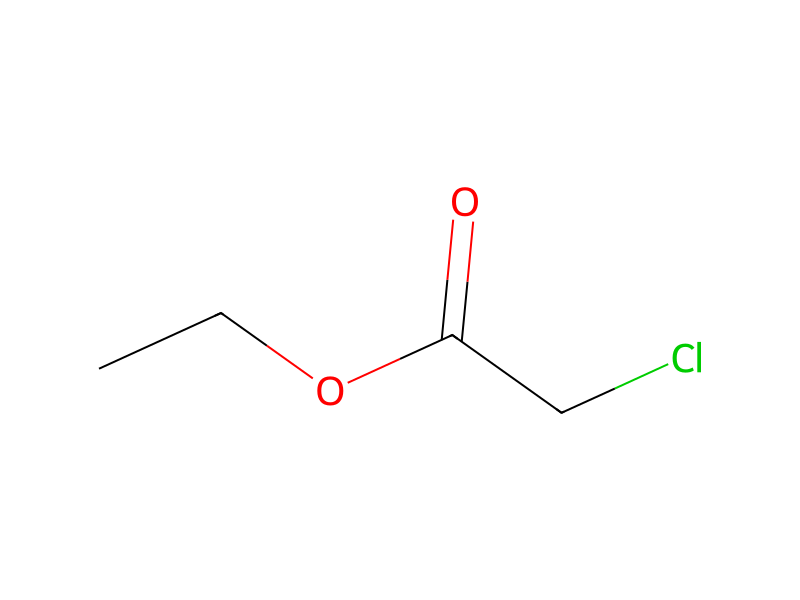
7-Chloro-2,4-dioxo-1,2,3,4-tetrahydroquinazoline (10 g) was treated as in Example 1 to give a concentrate containing 7-chloro-2,4-bis(trimethylsilyloxy)quinazoline. To this concentrate was added ethyl chloroacetate (20 ml), and the reaction was carried out at an internal temperature of 140˜150° C. for 29 hours. This reaction mixture was cooled to ≦70° C., and after addition of ethyl acetate (20 ml) , a solvent mixture of methanol (30 ml) and ethyl acetate (20 ml) was added dropwise over about 30 minutes. After completion of dropwise addition, the mixture was worked up as in Example 1 to provide ethyl 2-(7-chloro-2,4-dioxo-1,2,3,4-tetrahydroquinazolin-1-yl)acetate (13.60 g).