反応式

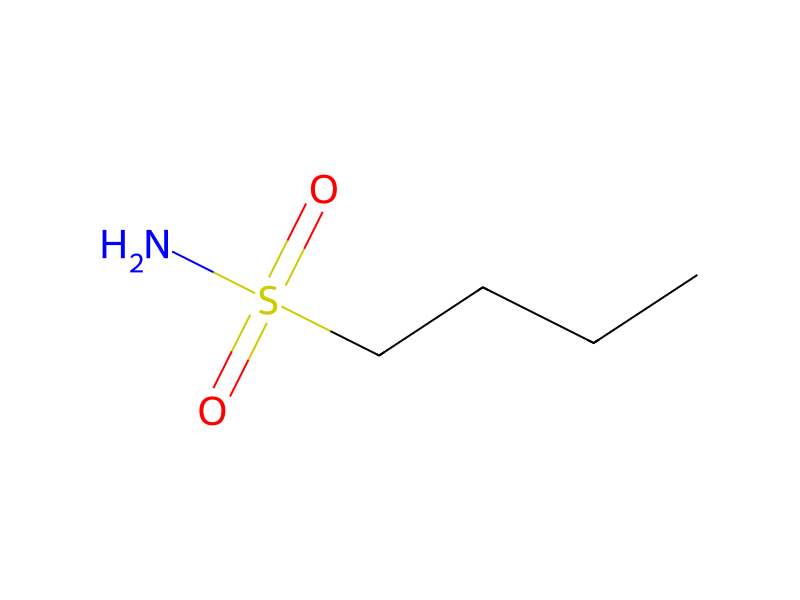
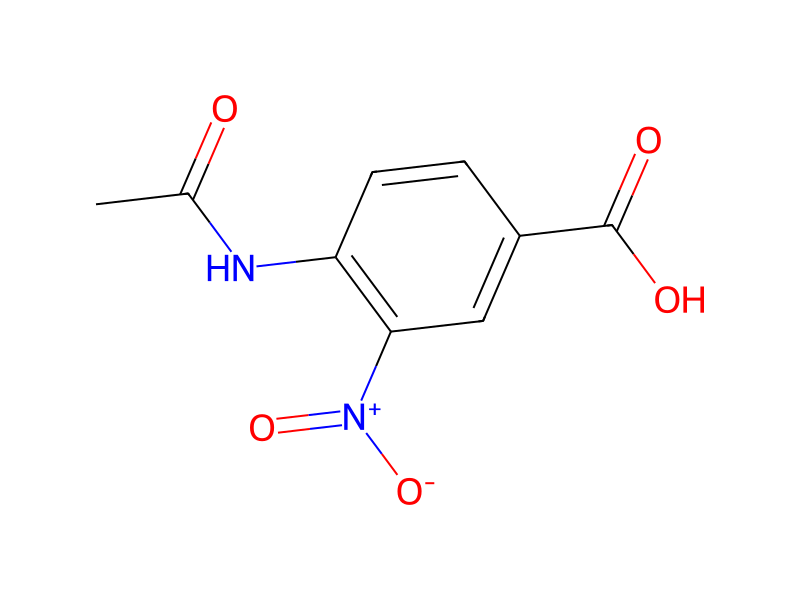
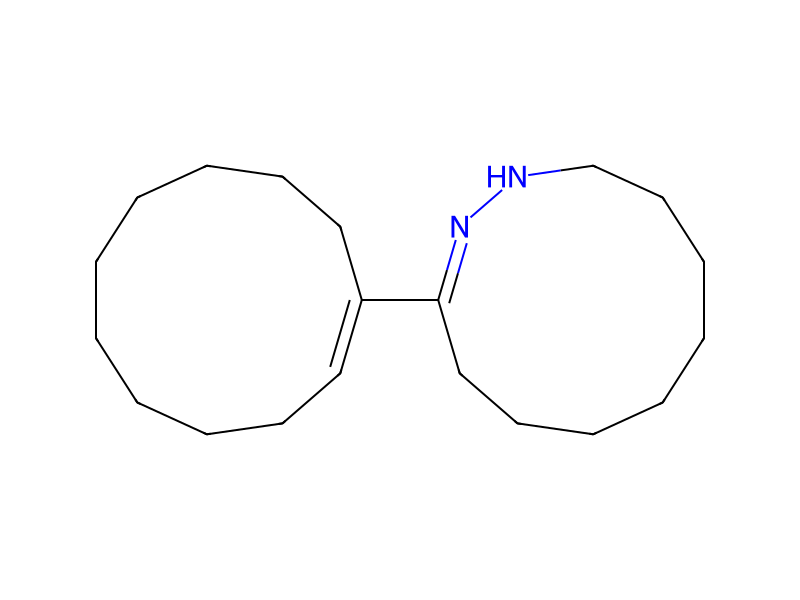
CN(C)C=O.[C:6]([NH:9][C:10]1[CH:18]=[CH:17][C:13]([C:14]([OH:16])=O)=[CH:12][C:11]=1[N+:19]([O-:21])=[O:20])(=[O:8])[CH3:7].[CH2:22]([S:26]([NH2:29])(=[O:28])=[O:27])[CH2:23][CH2:24][CH3:25].C1(C2CCCCCCCCCC=2)CCCCCCCCNN=1>O.C(Cl)(Cl)Cl>[CH2:22]([S:26]([NH:29][C:14](=[O:16])[C:13]1[CH:17]=[CH:18][C:10]([NH:9][C:6](=[O:8])[CH3:7])=[C:11]([N+:19]([O-:21])=[O:20])[CH:12]=1)(=[O:28])=[O:27])[CH2:23][CH2:24][CH3:25]参加物




実験手順
N,N′-carbonyldiimidazole (9.40 g) is added to an N,N-dimethylformamide (300 ml) solution of 4-acetylamino-3-nitro-benzoic acid (10.0 g), and the solution is stirred for 1 hour at room temperature. Then, 1-butanesulfonamide (7.92 g) and diazabicycloundecene (8.83 g) are added into the solution, and the solution is stirred for 72 hours at 100° C. After chloroform and water are added into the solution and the solution is separated into layers, the residue, which is obtained by concentrating the organic layer, is purified using silica gel column chromatography (eluate: ethyl acetate/methanol=4/1), and thus, N-(1-butanesulfonyl)-4-acetylamino-3-nitrobenzamide (10.75 g) is obtained. 1H-NMR (DMSO-d6, δ): 0.87 (3H, t, J=7.4 Hz), 1.37-1.44 (2H, m), 1.64-1.71 (2H, m), 2.12 (3H, s), 3.52 (2H, t, J=7.7 Hz), 7.83 (1H, d, J=8.6 Hz), 8.21 (1H, dd, J=8.6 and 2.1 Hz), 8.54 (1H, d, J=2.2 Hz), 10.56 (1H, s), 12.32 (1H, s).
後処理
- stirringthe solution is stirred for 72 hours at 100° C
- customthe solution is separated into layers
- customthe residue, which is obtained
- concentrationby concentrating the organic layer
- customis purified
出典と根拠
- ORDレコード
- ord-c6b5408aa689489d99c4c281a89c5861
- 出典データセット
- uspto-grants-2002_02
- 特許番号
- US06348032B1
関連ノート
読み込み中…