ホームMCPワークベンチSkills
ホームワークベンチ通知マイページ
llms.txt · MCPガイドプライバシーポリシー · 利用規約 · サポートv1.8.1
  1. ホーム
  2. /反応

Sulfuric Acid → 1-Benzoylnaphthalene

HRID 1704679
印刷

反応式

HRID 1704679 の反応式
[CH:1]1[C:14]2[C:13](=[O:15])[C:12]3[C:7](=[CH:8][CH:9]=[CH:10][CH:11]=3)[C:6](=O)[C:5]=2[CH:4]=[CH:3][CH:2]=1.[CH:17]([CH:19]=[CH2:20])=O.S(=O)(=O)(O)O.N1CCCCC1>[Cl-].[Al+3].[Cl-].[Cl-].C(O)(=O)C>[C:13]([C:12]1[C:7]2[C:8](=[CH:17][CH:19]=[CH:20][CH:6]=2)[CH:9]=[CH:10][CH:11]=1)(=[O:15])[C:14]1[CH:1]=[CH:2][CH:3]=[CH:4][CH:5]=1
参加物実験手順出典と根拠反応ノート

参加物

7

反応物 4

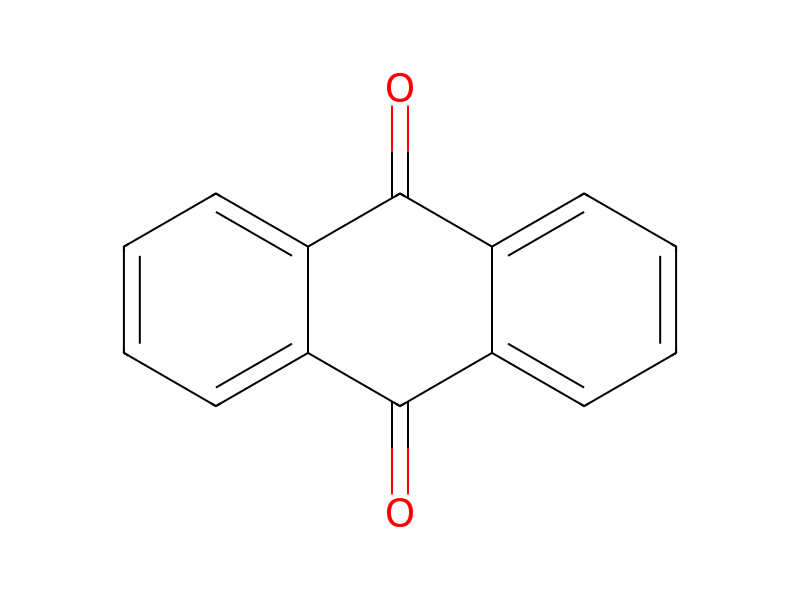
HCID 1118Sulfuric AcidHCID 6780AnthraquinoneHCID 7847AcroleinHCID 8082Piperidine

生成物 1

HCID 695031-Benzoylnaphthalene

試薬・触媒・溶媒 2

HCID 6451240Aluminum(III) Chloride触媒HCID 176
Acetic Acid
溶媒

実験手順

It has been known to produce benzanthrone by the following processes. (1) Anthraquinone is dissolved into sulfuric acid and a mixture of metallic powder and glycerin is added to the solution to reduce anthraquinone and simultaneously, the reaction product is further reacted with the compound resulted by dehydration of glycerin in an addition-reaction (B10S 987 and F1AT 1313). (2) Benzanthrone is produced by reacting an anthrahydroquinone ester such as acetate and sulfate which is obtained by reducing and esterifying anthraquinone, with acrolein in the presence of a dehydration catalyst such as sulfuric acid and piperidine in a solvent of acetic acid. (DRP 720,467). (3) Benzanthrone is produced by condensing α-benzoylnaphthalene at higher than 150° C. in the presence of aluminum chloride catalyst or at 120° C. in the presence of iron chloride catalyst. (DRP 239,761).


出典と根拠

ORDレコード
ord-70eca83c9bc74385950454c22aa2bdc8
出典データセット
uspto-grants-1978_11
DOI
10.6084/m9.figshare.5104873.v1
特許番号
US04127595

反応ノート

このページの内容参加物実験手順出典と根拠反応ノート