Triethylamine → HCID 18961149、化合物
HRID 1708164
反応式

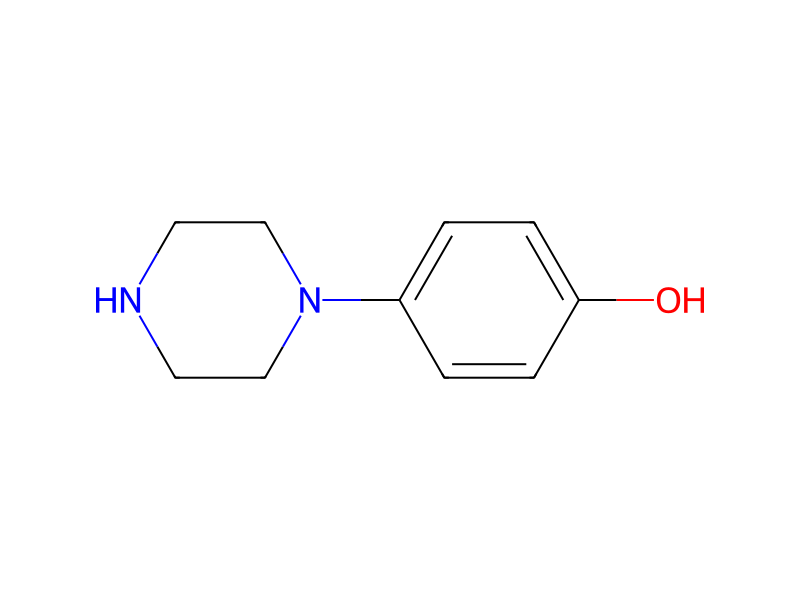
[Cl:1][C:2]1[N:6]([CH3:7])[CH:5]=[N:4][C:3]=1[S:8](Cl)(=[O:10])=[O:9].[OH:12][C:13]1[CH:18]=[CH:17][C:16]([N:19]2[CH2:24][CH2:23][NH:22][CH2:21][CH2:20]2)=[CH:15][CH:14]=1.C([N:27](CC)CC)C>C(Cl)(Cl)Cl>[OH:12][C:13]1[CH:14]=[CH:15][C:16]([N:19]2[CH2:24][CH2:23][N:22]([NH:27][S:8]([C:3]3[N:4]=[CH:5][N:6]([CH3:7])[C:2]=3[Cl:1])(=[O:10])=[O:9])[CH2:21][CH2:20]2)=[CH:17][CH:18]=1参加物
5




実験手順
A solution of 20 g (93 mmol) of 5-chloro-1-methyl-4-imidazolesulfonyl chloride in 250 ml of chloroform is added dropwise at room temperature to 16 g (90 mmol) of 4-(4-hydroxyphenyl)piperazine in 250 ml of chloroform. 41 ml (0.3 mol) of triethylamine are then slowly added dropwise. When, after stirring for 6 hours at room temperature, acid chloride is no longer present by thin layer chromatography, the precipitate formed is filtered off, washed several times with water, dried and recrystallized from acetonitrile. The title compound melts at 249°-250° C.