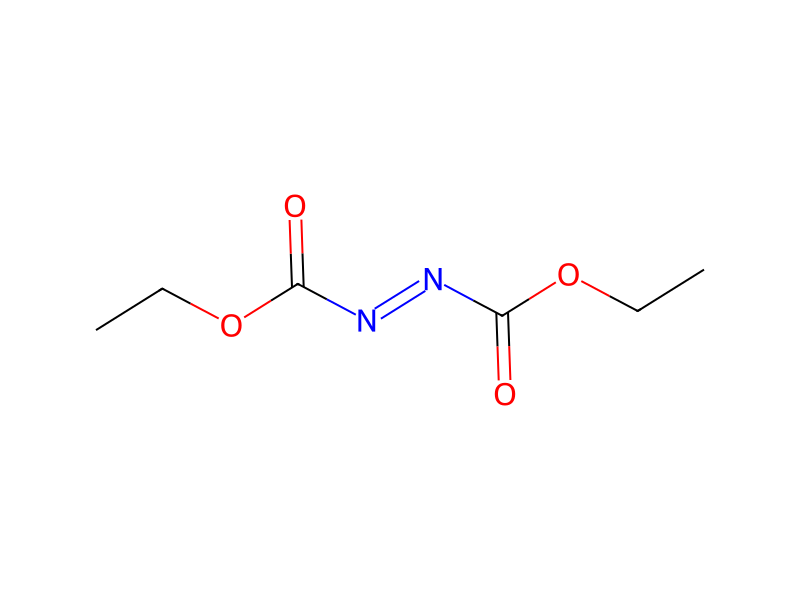
N(C(OCC)=O)=NC(OCC)=O.[F:13][C:14]1[C:19]([F:20])=[CH:18][C:17]([N+:21]([O-:23])=[O:22])=[CH:16][C:15]=1O.C1(P(C2C=CC=CC=2)C2C=CC=CC=2)C=CC=CC=1.[CH2:44]([N:51]1[CH2:56][CH2:55][N:54]([CH2:57][C:58]2[CH:63]=[CH:62][CH:61]=[CH:60][CH:59]=2)[CH2:53][CH:52]1[CH2:64][OH:65])[C:45]1[CH:50]=[CH:49][CH:48]=[CH:47][CH:46]=1>C1COCC1>[CH2:44]([N:51]1[CH2:56][CH2:55][N:54]([CH2:57][C:58]2[CH:63]=[CH:62][CH:61]=[CH:60][CH:59]=2)[CH2:53][CH:52]1[CH2:64][O:65][C:18]1[C:17]([N+:21]([O-:23])=[O:22])=[CH:16][CH:15]=[C:14]([F:13])[C:19]=1[F:20])[C:45]1[CH:46]=[CH:47][CH:48]=[CH:49][CH:50]=1(1Ba) A solution of 4.7 g (27 mmol) of diethyl azodicarboxylate in 15 ml of THF was added dropwise at 15° C. while stirring to a solution of 3.9 g (22.5 mmol) of 2,3-difluoro-5-nitrophenol, 7.1 g (27 mmol) of triphenylphosphine and 8 g (0.27 mmol) of 1,4-dibenzyl-2-hydroxymethylpiperazine in 250 ml of THF. The yellow reaction solution was then stirred at room temperature for an additional 3 hours. After concentrating the reaction solution, the oily residue was stirred with a total of 2 l of hot n-hexane in several portions. The hexane solution was separated and cooled. The separated triphenylphosphine oxide was removed by filtration under suction, and the filtrate was concentrated. Chromatography on silica gel with ether/n-hexane (1:1) as the eluent gave 7.4 g of 1,4-dibenzyl-2-[(6-nitro-2,3-difluorophenoxy)methyl]-piperazine as a brown oil.