1-Methylpiperazine → 4-(4-Methyl-piperazin-1-yl)-1'H-[2,2';6',2'']terpyridin-4'-one
HRID 1726855
反応式

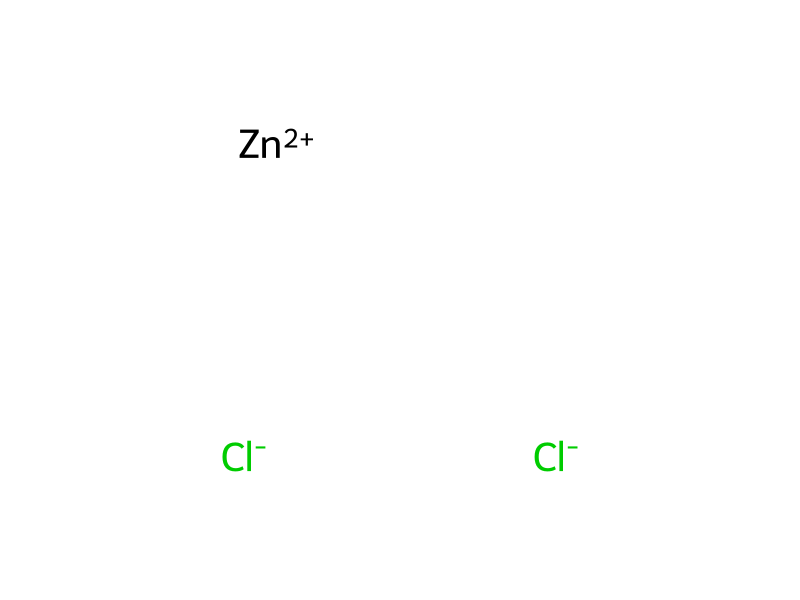
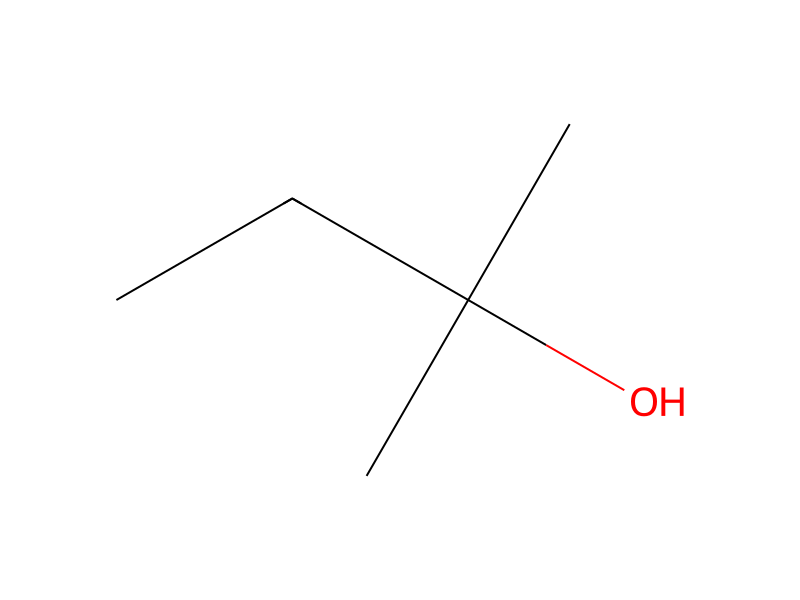
Cl[C:2]1[CH:7]=[CH:6][N:5]=[C:4]([C:8]2[NH:9][C:10]([C:15]3[CH:20]=[CH:19][CH:18]=[CH:17][N:16]=3)=[CH:11][C:12](=[O:14])[CH:13]=2)[CH:3]=1.[CH3:21][N:22]1[CH2:27][CH2:26][NH:25][CH2:24][CH2:23]1>CC(O)(CC)C.[Cl-].[Zn+2].[Cl-]>[CH3:21][N:22]1[CH2:27][CH2:26][N:25]([C:2]2[CH:7]=[CH:6][N:5]=[C:4]([C:8]3[NH:9][C:10]([C:15]4[CH:20]=[CH:19][CH:18]=[CH:17][N:16]=4)=[CH:11][C:12](=[O:14])[CH:13]=3)[CH:3]=2)[CH2:24][CH2:23]1参加物
5


実験手順
A mixture of 5.22 g (18.4 mmol) of 4-chloro-1′H-[2,2′;6′,2″]terpyridin-4′-one, 18.36 g (184 mmol, 20.4 ml) of 1-methylpiperazine and 125 mg (0.92 mmol, 0.05 equivalent) of zinc(II) chloride in 80 ml of 2-methyl-2-butanol is boiled under reflux for 30 hours. The mixture is evaporated to dryness on a rotary evaporator. 100 ml of water are added and the mixture is rendered neutral with concentrated hydrochloric acid. Extracting the mixture four times with chloroform and combining and drying (sodium sulfate) the organic extracts gives the crude product which is subsequently recrystallized from acetonitrile. 4-(4-Methyl-piperazin-1-yl)-1′H-[2,2′;6′,2″]terpyridin-4′-one is obtained as a white solid. 1H-NMR (360 MHz, CDCl3): 8.69 (d, 1H, 4.5 Hz); 8.32 (d, 1H, J=5.9 Hz); 7.92-7.74 (m, 2H); 7.37-7.30 (m, 1H); 7.20 (d, 1H, J=2.3 Hz); 7.01 (s, 1H); 6.98 (s, 1H); 6.71-6.63 (m, 1H); 3.45-3.35(tm, 4H); 2.58-2.48 (tm, 4H); 2.32 (s, 3H).