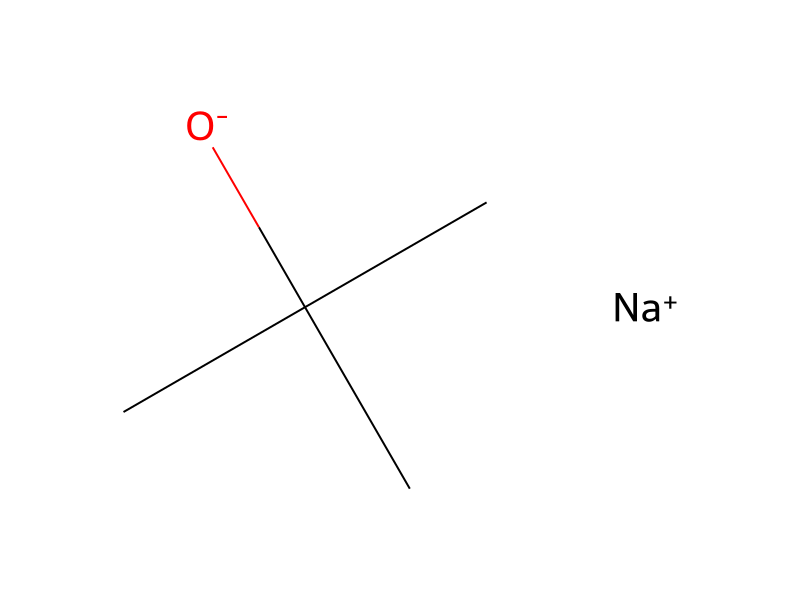
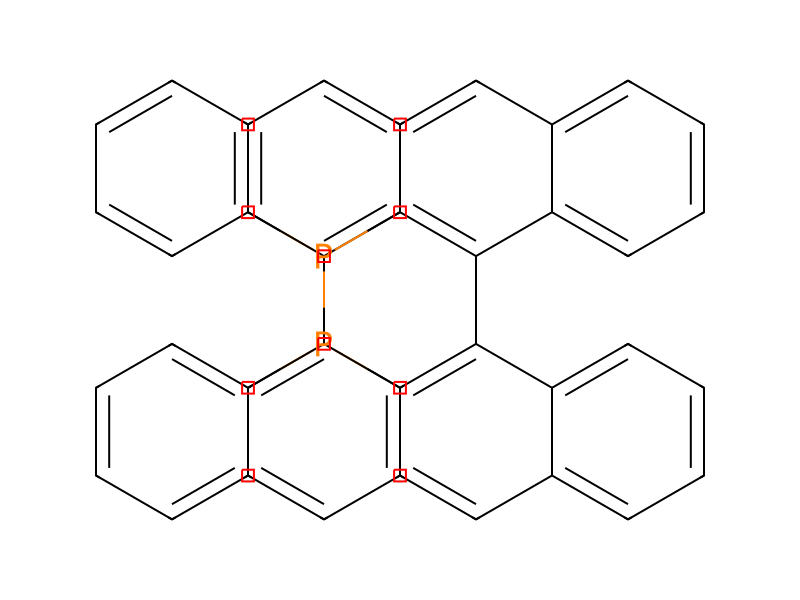
C(=[NH:14])(C1C=CC=CC=1)C1C=CC=CC=1.CC(C)([O-])C.[Na+].Br[C:22]1[CH:23]=[CH:24][C:25]([C:28]2[CH2:33][CH2:32][CH:31]([N:34]3[CH2:39][CH2:38][O:37][CH2:36][CH2:35]3)[CH2:30][CH:29]=2)=[N:26][CH:27]=1.Cl>C([O-])(=O)C.[Pd+2].C([O-])(=O)C.C1(P(C2C=CC=CC=2)C2C=CC3C(=CC=CC=3)C=2C2C3C(=CC=CC=3)C=CC=2P(C2C=CC=CC=2)C2C=CC=CC=2)C=CC=CC=1.C1(C)C=CC=CC=1>[N:34]1([CH:31]2[CH2:32][CH2:33][C:28]([C:25]3[N:26]=[CH:27][C:22]([NH2:14])=[CH:23][CH:24]=3)=[CH:29][CH2:30]2)[CH2:39][CH2:38][O:37][CH2:36][CH2:35]1Palladium (II) acetate (65 mg), benzophenonimine (4.1 ml), (±)-2,2′-bis(diphenylphosphino)-1,1′-binaphthyl (180 mg) and sodium tert-butoxide (3.33 g) were added to a toluene solution (51 ml) of 4-[4-(5-bromopyridin-2-yl)cyclohex-3-en-1-yl]morpholine (7.46 g) described in Reference Example 77, and stirred at 120° C. for two hours. After completion of the reaction, the reaction vessel was taken out from an oil bath, 3N hydrochloric acid aqueous solution (50 ml) was added and the mixture was stirred at room temperature for two hours. Next, the reaction solution was filtered through Celite, the aqueous layer of the filtrate was separated from the organic layer with a separating funnel. The resulting aqueous layer was cooled to 0° C., 1N aqueous solution of sodium hydroxide was added and the precipitated solid was filtered. The resulting residue was purified with NH silica gel column chromatography (n-hexane/ethyl acetate) to give the titled compound (5.73 g) as a white solid.