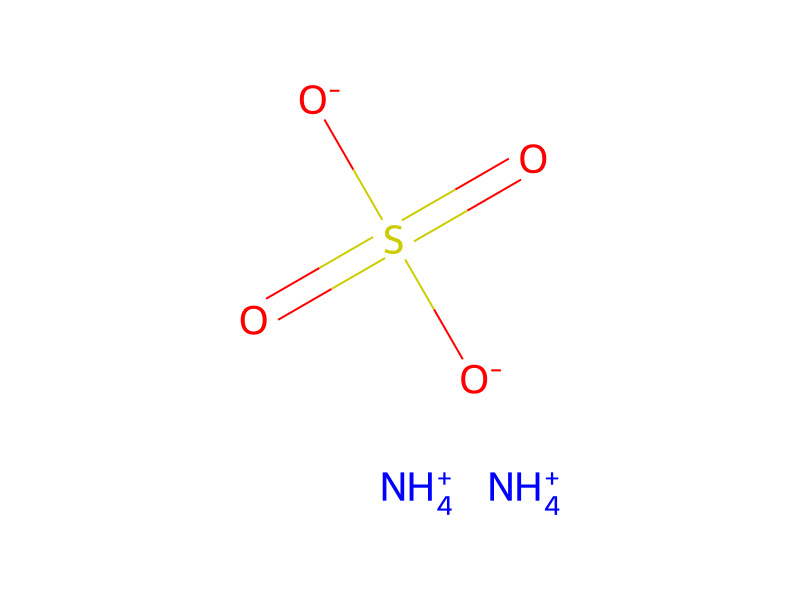
Zirconium sulfate (0.12 mol), ammonium sulfate (0.04 mol), phosphoric acid (0.18 mol) and sodium hydroxide (0.018 mol) under mixing were added to pure water (40 g) to prepare a homogeneous aqueous solution. This reaction mixture was heated for 4 hours under saturated water vapor pressure at 120° C., and the precipitate was subjected to filtration, washing with water and drying to obtain a zirconium phosphate salt having a network structure. This was added to an aqueous silver nitrate solution containing a given amount of silver ion and stirred at 60° C. for 10 hours. Then, the slurry was filtrated, and the residue was sufficiently washed with pure water, heated and dried at 110° C. overnight and fired at 900° C. for 4 hours to obtain a microbicide having the following composition (Sample No. 11).