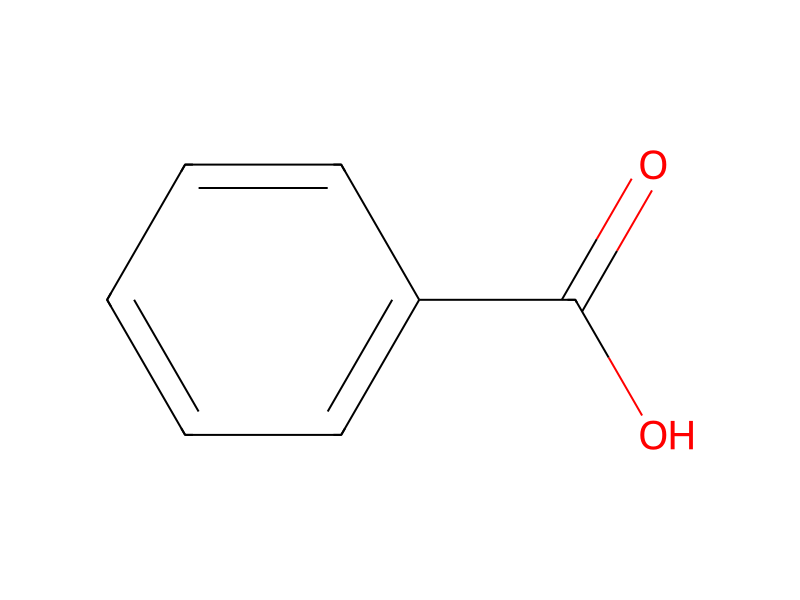
574 mg of hydroxybenzotriazole and 822 μl of diisopropylcarbodiimide were added to a solution of 260 mg of benzoic acid in 10 ml of methylene chloride, after which 500 mg of 3,5-diphenyl-1H-pyrazol-4-ylamine in 2 ml of acetonitrile were added dropwise, at 0° C.; the mixture was then stirred at room temperature (RT) for 12 hours (h), after which water was added and the whole was extracted with ethyl acetate. The organic phase was dried over magnesium sulfate and concentrated under reduced pressure. The residue contained the title compound and was used in the following reaction without further purification.