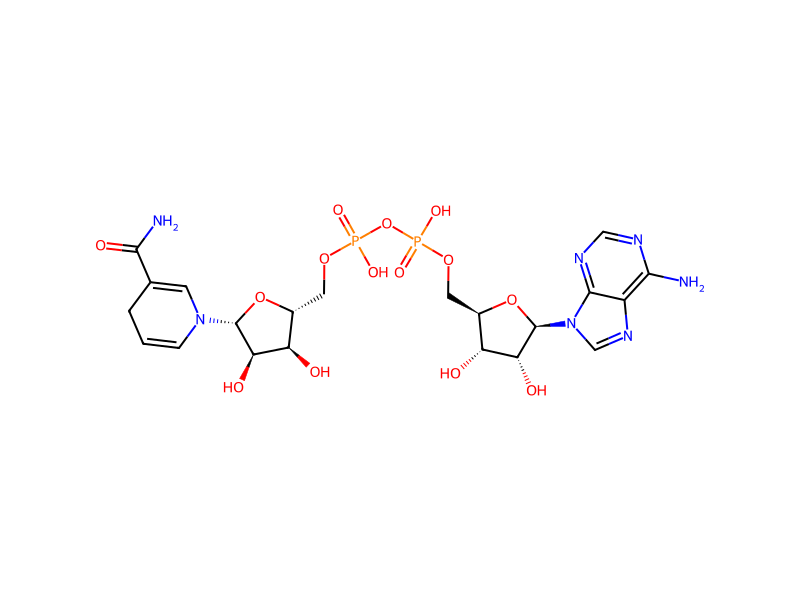
A reaction mixture was formed by admixing (i) 50 mg NAD, (ii) 4 ml of 2-propanol and (iii) 5 mmoles of (R)-3-octanone, Compound 13, in a liquid medium containing 1 gm of lyophilized PED alcohol dehydrogenase preparation, 75 ml of 50 mM phosphate buffer, pH 7.1, and 25 ml of hexane. The pH value of the reaction was maintained constant by addition of 1N NaOH. The reaction mixture was maintained at room temperature until product formation stopped. When product formation stopped, (R)-3-octanol, Compound 13a, was isolated by removal of the hexane layer and extraction of the aqueous layer with ethyl ether (3×75 ml).