Lithium iodide → 2-(2,6-Dichloro-4-pyridyl)-5,6-diethyl-3-propargyl-5,6-dihydropyrimidin-4-one
反応式

[Cl:1][C:2]1[CH:7]=[C:6]([C:8]2[N:13]([CH2:14][C:15]#[CH:16])[C:12](=[O:17])[C:11]([CH2:22][CH3:23])(C(OC)=O)[CH:10]([CH2:24][CH3:25])[N:9]=2)[CH:5]=[C:4]([Cl:26])[N:3]=1.[I-].[Li+]>N1C=CC=CC=1>[Cl:26][C:4]1[CH:5]=[C:6]([C:8]2[N:13]([CH2:14][C:15]#[CH:16])[C:12](=[O:17])[CH:11]([CH2:22][CH3:23])[CH:10]([CH2:24][CH3:25])[N:9]=2)[CH:7]=[C:2]([Cl:1])[N:3]=1参加物
4



実験手順
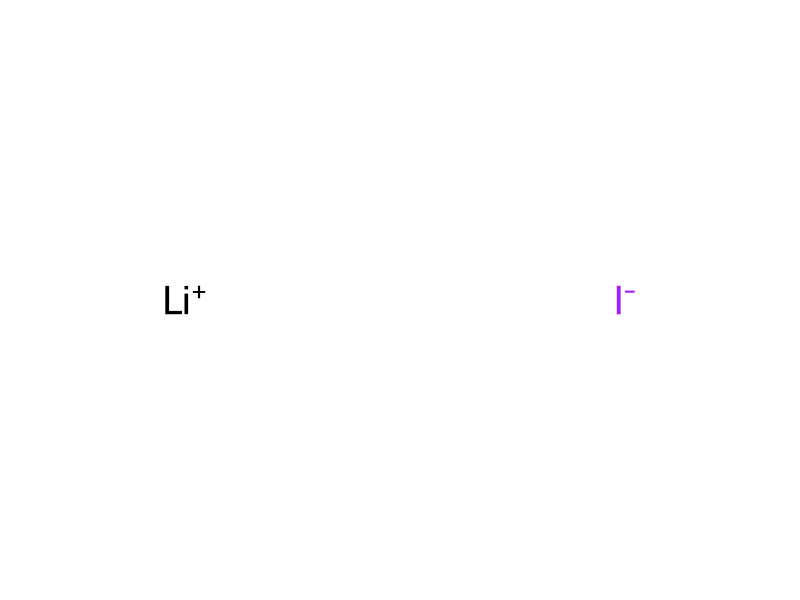
To 5.0 g (12.6 mmol) of 2-(2,6-dichloro-4-pyridyl)-5,6-diethyl-5-methoxycarbonyl-3-propargyl-5,6-dihydropyrimidin-4-one in 50 mL of pyridine was added 11.5 g (76 mmol) of lithium iodide and refluxed overnight. The reaction was cooled to room temperature, quenched onto 250 mL of water andextracted with EtOAc (2×300 mL). The organics were combined, washed with water (1×200 mL), dilute HCl (2×200 mL), water (1×200 mL), dilute sodium bisulfite (1×200 mL) and saturated sodium chloride (1×200 mL). The EtOAc was diluted with 600 mL of hexanes and vacuum filtered through a pad of silica gel. The filtrate was dried over sodium sulfate, filtered and evaporated to dryness in vacuo. The residue was triturated with diethyl ether and solid impurities removed by filtration. The filtrate was once again evaporated to dryness in vacuo to give 2.2 g (5.75 mmol, 46%) of desired product as an oil.