Ethylene Oxide → Ethyl 1-(2-hydroxyethyl)-4-phenylpiperidine-4-carboxylate
反応式

[C:1]1([C:7]2([C:13]([O:15][CH2:16][CH3:17])=[O:14])[CH2:12][CH2:11][NH:10][CH2:9][CH2:8]2)[CH:6]=[CH:5][CH:4]=[CH:3][CH:2]=1.CC(C)[CH2:20][C:21](=[O:23])C.C1OC1>C(O)C>[OH:23][CH2:21][CH2:20][N:10]1[CH2:9][CH2:8][C:7]([C:1]2[CH:2]=[CH:3][CH:4]=[CH:5][CH:6]=2)([C:13]([O:15][CH2:16][CH3:17])=[O:14])[CH2:12][CH2:11]1参加物
5
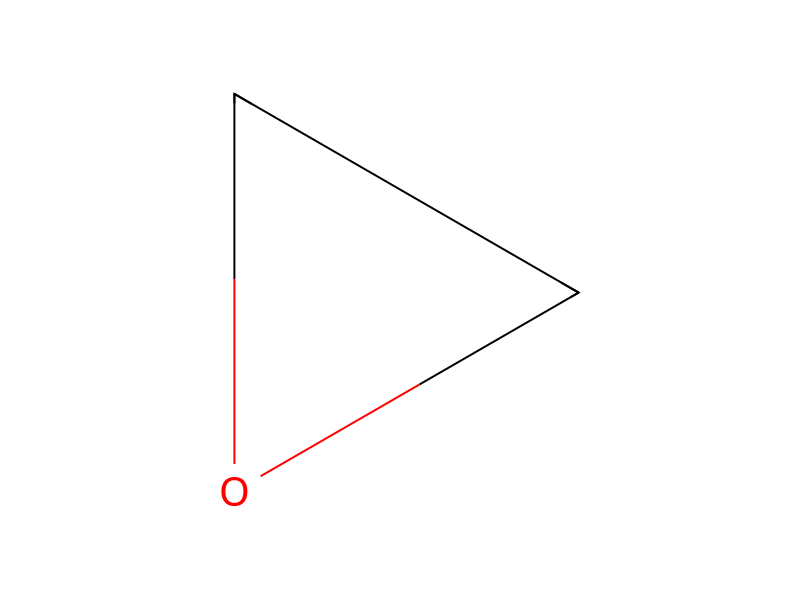

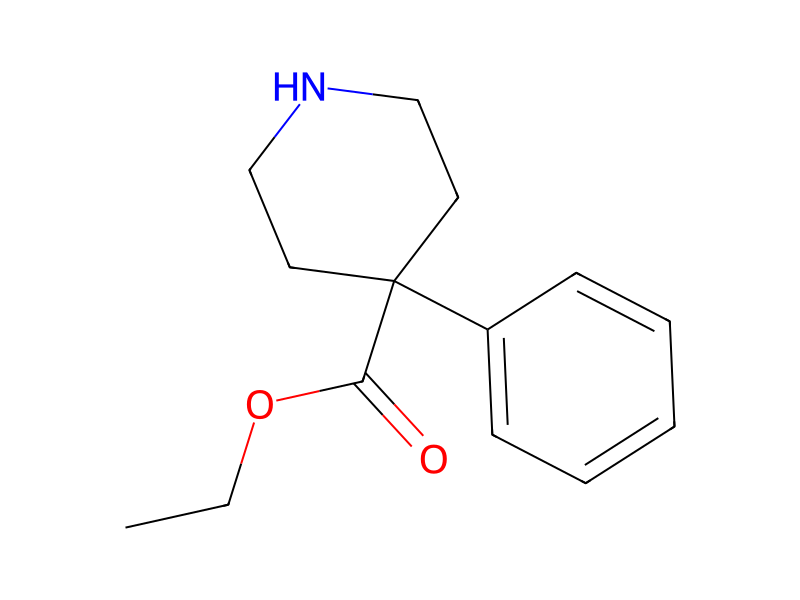


反応条件
- 温度
- 60 °C
実験手順
A mixture of 9.9 parts of ethyl 4-phenyl-4-piperidinecarboxylate, 41.8 parts of 4-methyl-2-pentanone, 4.3 parts of ethylene oxide and 79.2 parts of ethanol is heated in a sealed citric bottle at about 60° C for 7 days. The resulting solution is cooled, the solvent is evaporated under reduced pressure and the residual material is partitioned between diluted NaOH and ether. The ether layer is then separated and extracted with diluted HCl. The acid layer is then made alkaline with aqueous sodium hydroxide and the resulting mixture is extracted with ether. The ether layer is dried over sodium sulfate and potassium carbonate and evaporated in vacuum. The residue is crystallized from ether-n-pentane to give ethyl 1-(2-hydroxyethyl)-4-phenyl-4-piperidinecarboxylate, melting at about 91.5°-93° C.