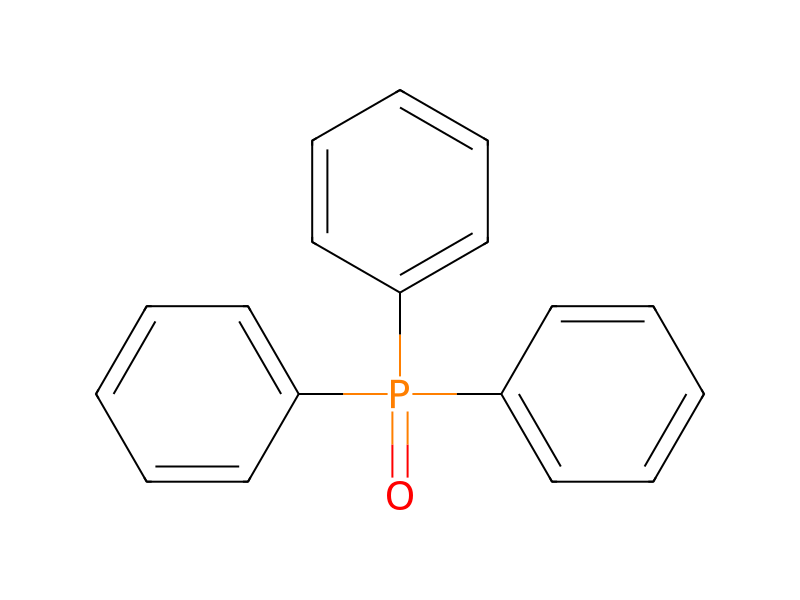
To a solution of triphenylphosphine oxide (16.7 g) in dichloromethane (30 mL) was slowly added trifluoromethanesulfonic anhydride (5.0 mL) at 0° C., and the mixture was stirred for 10 min and 7-nitro-N-[2-(tritylthio)ethyl]-1H-indole-2-carboxamide (10.1 g) was added. The reaction mixture was stirred at room temperature for 8 hr and concentrated. Saturated aqueous sodium hydrogen carbonate was added, and the mixture was extracted with ethyl acetate. The ethyl acetate layer was washed with saturated brine, dried (MgSO4) and concentrated. The residue was subjected to silica gel column chromatography (ethyl acetate:hexane=1:3) to give the title compound (4.0 g, yield 81%) as yellow crystals.