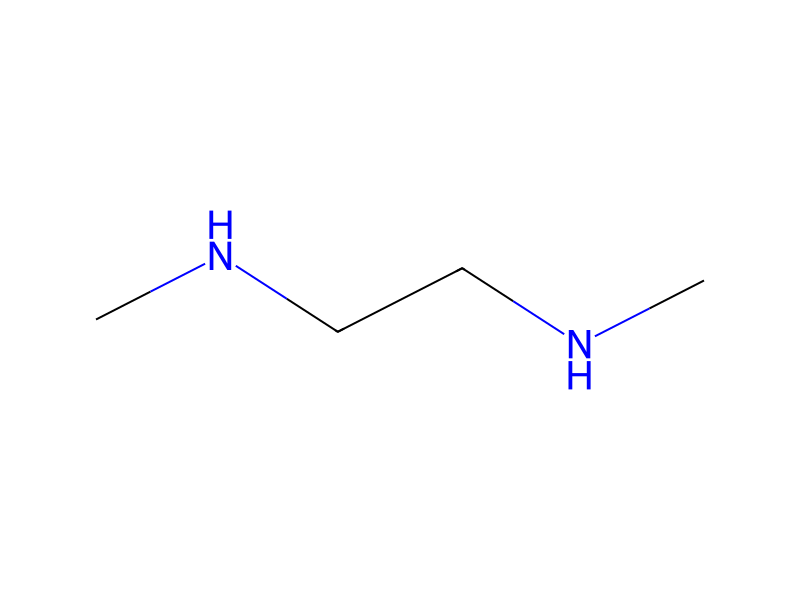
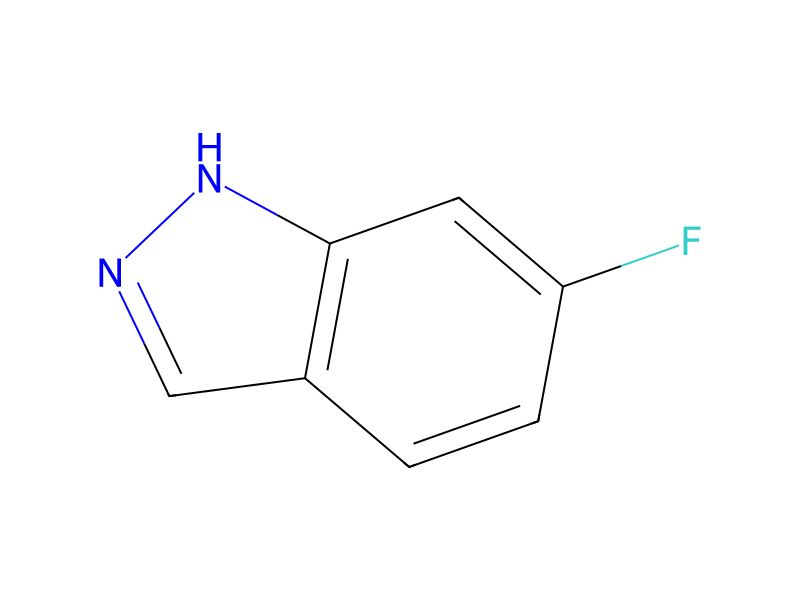
4-bromophenol (1.27 g, 7.35 mmol) was combined with 6-fluoro-1H-indazole (1.000 g, 7.35 mmol), CuI (69.9 mg, 0.367 mmol), K3PO4 (3.282 g, 15.4 mmol), toluene (15 mL), and dimethylethylenediamine (0.158 mL, 1.47 mmol). This was refluxed as a mixture for 3 d. The reaction was cooled and partitioned between ethyl acetate and sat. NH4Cl. The aqueous was extracted with ethyl acetate and the combined organics were dried over MgSO4. Purification by silica gel flash chromatography (ethyl acetate in heptane) gave 4-(6-fluoro-indazol-2-yl)-phenol (0.129 g, 8%) as a tan solid. The other regioisomer was also observed but was separated by chromatography. 1H NMR (400 MHz, DMSO-d6, δ): 9.86 (s, 1H) 8.96 (s, 1H) 7.75-7.91 (m, 3H) 7.41 (d, J=10.6 Hz, 1H) 6.99 (td, J=9.3, 2.2 Hz, 1H) 6.93 (d, J=8.8 Hz, 2H); MS (M+1): 229.2.