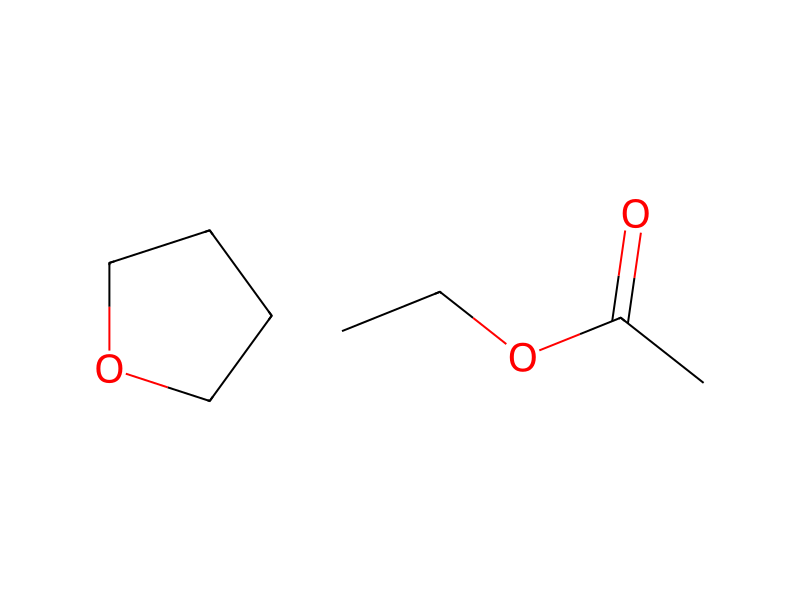
[Cl:1][C:2]1[C:14]2[C:13]3[CH:12]=[CH:11][CH:10]=[CH:9][C:8]=3[NH:7][C:6]=2[C:5]([C:15]([NH2:17])=[O:16])=[CH:4][N:3]=1.[Br:18]Br.C1COCC1.CCOC(C)=O.C([O-])(O)=O.[Na+]>CC(O)=O.C1COCC1.[Zn]>[Br:18][C:11]1[CH:10]=[CH:9][C:8]2[NH:7][C:6]3[C:5]([C:15]([NH2:17])=[O:16])=[CH:4][N:3]=[C:2]([Cl:1])[C:14]=3[C:13]=2[CH:12]=1To a suspension of 1-chloro-5H-pyrido[4,3-b]indole-4-carboxamide (Example 10 Step 3) in AcOH (0.15 M) at room temperature was added Br2 (10 equiv) to provide a homogeneous mixture. After standing at room temperature a precipitate formed, and after 1 h, a suspension of Zn powder (excess) in THF was added in a cold water bath. After a period of 10 min, the reaction mixture was poured over THF/EtOAc and saturated NaHCO3. After separation of the organic phase, the aqueous phase was extracted again with THF/EtOAc, and the combined organic phases were washed with brine, dried over MgSO4 and filtered. After evaporation of the organic solvents, the residue was purified by flash chromatography (10-70% EtOAc in hexanes) to provide the title compound as a yellow solid.