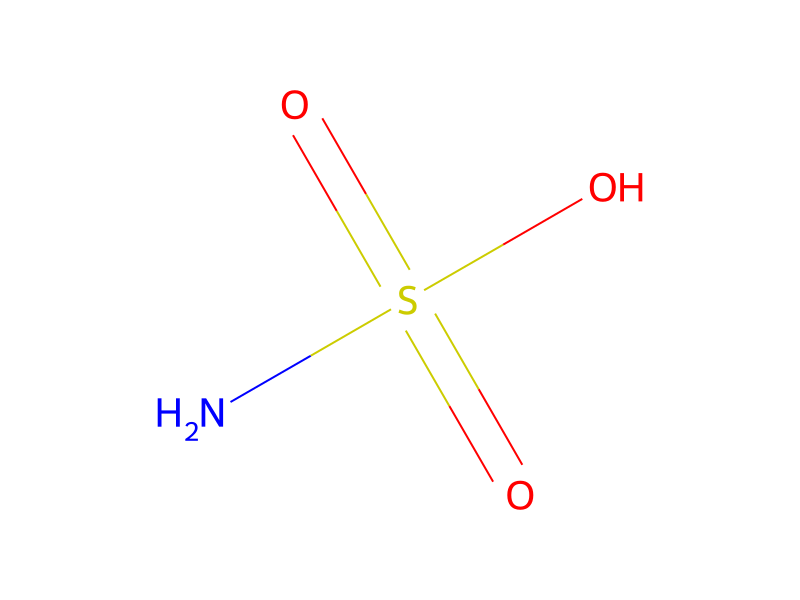
Sulfamic Acid → Trimethylsilyl 3-bromomethyl-7-phenylacetamido-3-cephem-4-carboxylate-1-oxide
HRID 1902912
反応式

[CH3:1][Si:2]([CH3:12])([CH3:11])N1CCCCCC1=O.[CH3:13][C:14]1[CH2:15][S:16](=[O:36])[C@@H:17]2[CH:24]([NH:25][C:26](=[O:34])[CH2:27][C:28]3[CH:33]=[CH:32][CH:31]=[CH:30][CH:29]=3)[C:23](=[O:35])[N:18]2[C:19]=1[C:20]([OH:22])=[O:21].NS(O)(=O)=O.[Br:42]N1C(=O)CCC1=O>ClCCl>[Br:42][CH2:13][C:14]1[CH2:15][S:16](=[O:36])[C@@H:17]2[CH:24]([NH:25][C:26](=[O:34])[CH2:27][C:28]3[CH:29]=[CH:30][CH:31]=[CH:32][CH:33]=3)[C:23](=[O:35])[N:18]2[C:19]=1[C:20]([O:22][Si:2]([CH3:12])([CH3:11])[CH3:1])=[O:21]