

基本情報
- 標準SMILES
O=C1CCC(=O)N1Br- InChIKey
PCLIMKBDDGJMGD-UHFFFAOYSA-N- 分子式
- C4H4BrNO2
- 平均分子量
- 177.98 g/mol
- 単同位体質量
- 176.94254
名称と識別子
- 優先名称
- N-bromobutanimide
- IUPAC
- 1-bromopyrrolidine-2,5-dione
- 現地名
- N-ブロモこはく酸イミド
- 英語名
- N-Bromosuccinimide
- 分子式
- C4H4BrNO2
- 分子量
- 177.98
名称と別名
n-bromobutanimideRefChem:6049N-Bromosuccinimide128-08-51-Bromopyrrolidine-2,5-dioneSuccinbromimide2,5-Pyrrolidinedione, 1-bromo-Succinbromide1-Bromo-2,5-pyrrolidinedioneSuccinibromimideN-BromosuccimideNBS
名称をさらに表示
N-ブロモこはく酸イミド1-ブロモ-2,5-ピロリジンジオンジヒドロ-1-ブロモ-1H-ピロール-2,5-ジオンN-ブロモスクシンイミド1-ブロモピロリジン-2,5-ジオン1-ブロモ-1H-ピロール-2,5(3H,4H)-ジオンブロモスクシンイミドスクシンブロムイミドN-ブロモコハク酸イミド N-ブロモスクシンイミド 臭化物N‐ブロモスクシンイミドN‐ブロモスクシンイミド(N‐ブロモこはく酸イミド)N-ブロモスクシンイミド(NBS)N - ブロモこはく酸イミドN-ブロモスクシンイミド, 99%N-ブロモスクシンイミド(N-ブロモこはく酸イミド)bromosuccinimideN-BromsuccinimidN-BROMOSUCINIMIDEN-Brom-succinimidN-Bromosucciminide1-Bromo-2,5-phrrolidinedione
Succinimide, N-bromo-N-BromsuccinimideN-bromo-succinimideMFCD00005510NSC 161-Bromo-2,5-pyrrolidine-dioneK8G1F2UCJF1-Bromodihydro-1H-pyrrole-2,5-dione
データベース識別子
- CAS
128-08-5- PubChem CID
- 67184
- DTXSID
DTXSID2038738- ChEBI
CHEBI:53174- UNII
- K8G1F2UCJF
- EC Number
- 204-877-2
- Nikkaji
- J5.405D
物性
構造計算による物性
- XLogP
- -0.1
- 極性表面積
- 37.4 Ų
- 水素結合供与体数
- 0
- 水素結合受容体数
- 2
- 回転可能結合数
- 0
- 重原子数
- 8
- 形式電荷
- 0
- 複雑度
- 129
実験および物理化学的性質
OdorFaint odor of bromine
Density
2.098 g/cu cm at 25 °C
2.098 @25 °C
Color/Form
Orthorhombic bisphenoidal crystals
Crystals from benzene
Solid at 20 °C and 1031 hPa; powder
Solubility
In water, 1.47 g/100 g water at 25 °C
Slightly soluble in water
Slightly soluble in ethyl acetate, diethyl ether; very soluble in acetone; insoluble in hexane
In tert-butanol 0.73; acetone 14.40; carbon tetrachloride 0.02; hexane 0.006; glacial acetic acid 3.10 (all in g/100 g of solvent, 25 °C)
Boiling Point338.9 °C at 101.325 kPa
Decomposition
Melting range 172-178 °C (decomposes).
When heated to decomposition it emits toxic fumes of Br- and NOx.
Melting Point
173-175 °C (slight decomposition)
MP: 174 °C
Vapor Pressure
11.0 [mmHg]
VP: 0.001 Pa at 25 °C
Physical DescriptionSolid with a mild odor of bromine; [Merck Index] White, pale yellow, or cream-colored powder; [Alfa Aesar MSDS]
Stability/Shelf LifeStable under recommended storage conditions.
物理化学的性質
- 融点
- 175 · 175-180 °C (dec.)(lit.)
- 沸点
- 221.4 °C · 221.4°C (rough estimate)
- 比重(密度)
- 2.098 · 2.098
- 蒸気圧
- 14.8 hPa · 14.8 hPa (20 °C)
- 屈折率
- 1.606 · 1.6060 (estimate)
- 貯蔵温度
- 2 °C · Store at +2°C to +8°C.
- 溶解性
- 14.8 g/l · 14.8g/l(分解)
- 外見
- 結晶性粉末
- 酸解離定数(Pka)
- -2.78 · -2.78±0.20(Predicted)
- 色
- 白色~淡黄色
- 臭い (Odor)
- 臭素特有の臭い
- 由来生物
- rabbit
- 水溶解度
- アセトン、テトラヒドロフラン、ジメチルホルムアミド、ジメチルスルホキシド、アセトニトリルに可溶。水および酢酸にわずかに溶ける。エーテル、ヘキサン、四塩化炭素に不溶。
- Merck
- 14 · 14,1438
- BRN
- 113916 · 113916
- 安定性
- 安定。強力な酸化剤、ハロゲン化炭化水素とは相容れない。
- 主な用途
- ペプチド合成
- InChI
- 1S/C4H4BrNO2/c5-6-3(7)1-2-4(6)8/h1-2H2
- InChIKey
- PCLIMKBDDGJMGD-UHFFFAOYSA-N
- SMILES
- BrN1C(=O)CCC1=O
- LogP
- -1.19 · -1.19
- CAS データベース
- 128 · 128-08-5(CAS DataBase Reference)
- NISTの化学物質情報
- 2 · 2,5-Pyrrolidinedione, 1-bromo-(128-08-5)
- EPAの化学物質情報
- N-Bromosuccinimide (128-08-5)
化学的性質
化学的特性white to light yellow crystalline powder
安全と法規制
GHS分類
GHS Classification
Danger
H272 (38.7%): May intensify fire; oxidizer [Danger Oxidizing liquids; Oxidizing solids];H290 (38.7%): May be corrosive to metals [Warning Corrosive to Metals];H302 (55.8%): Harmful if swallowed [Warning Acute toxicity, oral];H314 (35.2%): Causes severe skin burns and eye damage [Danger Skin corrosion/irritation];H315 (46.2%): Causes skin irritation [Warning Skin corrosion/irritation];H317 (21.6%): May cause an allergic skin reaction [Warning Sensitization, Skin];H319 (65.3%): Causes serious eye irritation [Warning Serious eye damage/eye irritation];H335 (26.6%): May cause respiratory irritation [Warning Specific target organ toxicity, single exposure; Respiratory tract irritation];H341 (15.1%): Suspected of causing genetic defects [Warning Germ cell mutagenicity];H400 (43.2%): Very toxic to aquatic life [Warning Hazardous to the aquatic environment, acute hazard]
P203, P210, P220, P234, P260, P261, P264, P264+P265, P270, P271, P272, P273, P280, P301+P317, P301+P330+P331, P302+P352, P302+P361+P354, P304+P340, P305+P351+P338, P305+P354+P338, P316, P318, P319, P321, P330, P332+P317, P333+P317, P337+P317, P362+P364, P363, P370+P378, P390, P391, P403+P233, P405, P406, and P501 (click each P-code to see the statement)
Aggregated GHS information provided per 199 reports by companies from 25 notifications to the ECHA C&L Inventory. Each notification may be associated with multiple companies.;Information may vary between notifications depending on impurities, additives, and other factors. The percentage value in parenthesis indicates the notified classification ratio from companies that provide hazard codes. Only hazard codes with percentage values above 10% are shown. For more detailed information, please visit ECHA C&L website.
危険有害性情報
Regulatory Information
Chemical: 2,5-Pyrrolidinedione, 1-bromo-
Status: Active Update: 02-04-2019 https://echa.europa.eu/registration-dossier/-/registered-dossier/5434;Status: Active Update: 20-12-2022 https://echa.europa.eu/registration-dossier/-/registered-dossier/20333
Succinibromimide: Does not have an individual approval but may be used under an appropriate group standard
Hazards SummaryA strong skin, eye, and mucous membrane irritant; [Merck Index] Causes burns; Inhalation may cause corrosive injuries to upper respiratory tract and lungs; Harmful by ingestion; [Alfa Aesar MSDS] See N-Chlorosuccinimide.
Other Hazardous ReactionsConditions to avoid: Exposure to light. Exposure to moisture.
Hazard Classes and CategoriesOx. Sol. 3 (38.7%);Met. Corr. 1 (38.7%);Acute Tox. 4 (55.8%);Skin Corr. 1B (35.2%);Skin Irrit. 2 (46.2%);Skin Sens. 1 (21.6%);Eye Irrit. 2 (65.3%);STOT SE 3 (26.6%);Muta. 2 (15.1%);Aquatic Acute 1 (43.2%)
Skin, Eye, and Respiratory Irritations
N-bromosuccinimide is classified as irritating to skin: Causes skin irritation. Red skin on arms.
Highly irritating to eyes, skin, mucous membranes.
Strong irritant to eyes and skin.
An irritating poison to skin, eyes and mucous membranes.
Hazardous Reactivities and Incompatibilities
Violent reaction with dibenzoyl peroxide + 4-toluic acid.
Explosive reaction with propiononitrile after heating to 105 °C for 24 hr.
Reacts explosively with aniline, diallyl sulfide, and hydrazine hydrate.
Incompatible materials: Strong oxidizing agents, Strong acids, Strong bases, Iron and iron salts.
CSL Reaction Information
CSL00039
N-BROMOSUCCINIMIDE + 1-METHYL-2-PYRROLIDINONE + 1-METHYLPYRROLIDINE
Thermal runaway from ambient to >100°C
Explosive
Bromination
User-Reported
安全と保護具
Firefighting HazardsCarbon oxides, nitrogen oxides (NOx), Hydrogen bromide gas
Fire Fighting Procedures
Wear self contained breathing apparatus for fire fighting if necessary.
Use water spray, alcohol-resistant foam, dry chemical or carbon dioxide.
Storage ConditionsKeep container tightly closed in a dry and well-ventilated place. Recommended storage temperature: 2 - 8 °C. Light sensitive. Moisture sensitive. Store under inert gas.
Cleanup Methods
ACCIDENTAL RELEASE MEASURES; Personal precautions, protective equipment and emergency procedures: Use personal protective equipment. Avoid dust formation. Avoid breathing vapours, mist or gas. Ensure adequate ventilation. Evacuate personnel to safe areas. Avoid breathing dust. Do not let product enter drains. Pick up and arrange disposal without creating dust. Sweep up and shovel. Keep in suitable, closed containers for disposal.
Disposal Methods
SRP: Recycle any unused portion of the material for its approved use or return it to the manufacturer or supplier. Ultimate disposal of the chemical must consider: the material's impact on air quality; potential migration in air, soil or water; effects on animal, aquatic and plant life; and conformance with environmental and public health regulations. If it is possible or reasonable use an alternative chemical product with less inherent propensity for occupational harm/injury/toxicity or environmental contamination.
Product: Offer surplus and non-recyclable solutions to a licensed disposal company. Contact a licensed professional waste disposal service to dispose of this material. Dissolve or mix the material with a combustible solvent and burn in a chemical incinerator equipped with an afterburner and scrubber. Contaminated packaging: Dispose of as unused product.
Preventive Measures
ACCIDENTAL RELEASE MEASURES; Personal precautions, protective equipment and emergency procedures: Use personal protective equipment. Avoid dust formation. Avoid breathing vapours, mist or gas. Ensure adequate ventilation. Evacuate personnel to safe areas. Avoid breathing dust. Do not let product enter drains.
Avoid contact with skin and eyes. Avoid formation of dust and aerosols. Provide appropriate exhaust ventilation at places where dust is formed.
Handle in accordance with good industrial hygiene and safety practice. Wash hands before breaks and at the end of workday.
Gloves must be inspected prior to use. Use proper glove removal technique (without touching glove's outer surface) to avoid skin contact with this product. Dispose of contaminated gloves after use in accordance with applicable laws and good laboratory practices. Wash and dry hands.
For more Preventive Measures (Complete) data for N-Bromosuccinimide (6 total), please visit the HSDB record page.
Protective Action Criteria (PAC)
6.0 [mg/m3]
66 [mg/m3]
400 [mg/m3]
Personal Protective Equipment (PPE)
Eye/face protection: Face shield and safety glasses. Use equipment for eye protection tested and approved under appropriate government standards such as NIOSH (US) or EN 166(EU).
Skin protection: Handle with gloves.
Body Protection: Complete suit protecting against chemicals. The type of protective equipment must be selected according to the concentration and amount of the dangerous substance at the specific workplace.
Respiratory protection Where risk assessment shows air-purifying respirators are appropriate use a full-face particle respirator type N100 (US) or type P3 (EN 143) respirator cartridges as a backup to engineering controls. If the respirator is the sole means of protection, use a full-face supplied air respirator. Use respirators and components tested and approved under appropriate government standards such as NIOSH (US) or CEN (EU).
Use a repirator when handling dry material, which evolves toxic fumes of bromine.
毒性情報
Treatment
EYES: irrigate opened eyes for several minutes under running water. INGESTION: do not induce vomiting. Rinse mouth with water (never give anything by mouth to an unconscious person). Seek immediate medical advice. SKIN: should be treated immediately by rinsing the affected parts in cold running water for at least 15 minutes, followed by thorough washing with soap and water. If necessary, the person should shower and change contaminated clothing and shoes, and then must seek medical attention. INHALATION: supply fresh air. If required provide artificial respiration.
Interactions
N-Bromosuccinimide (NBS) is a known protein reagent able to modify amino acids and proteins, resulting in oxidation of tryptophan, tyrosine and histidine residues, as well as sulfhydryl, alcohol and phenol groups. These properties make NBS a suitable reagent to selectively block certain amino acid residues in biochemistry, and also permit the histochemical detection of proteins by oxidative deamination followed by the Schiff reaction. In this paper we show that, under ultraviolet excitation, NBS selectively reveals the cytoplasmic granules of mammalian eosinophils and chicken heterophils, rendering considerable white--blue fluorescence, in a remarkable fluorogenic reaction which rapidly increases at the beginning of the observation. This emission slightly decays afterwards and then remains almost stable still yielding a high level of emission after 10 min of continuous excitation. Possible mechanisms underlying these results are discussed and we propose NBS as a very suitable fluorogenic reagent for the microscopical detection and analysis of proteins.
Health EffectsStrong lachrymator. Strong irritant to eyes, skin and soft tissues. Toxic if inhaled, swallowed or absorbed through skin. It is extremely destructive to the tissue of the mucous membranes and upper respiratory tract.
Environmental Fate
TERRESTRIAL FATE: Based on a classification scheme(1), an estimated Koc value of 3(SRC), determined from a structure estimation method(2), indicates that N-bromosuccinimide is expected to have very high mobility in soil(SRC). Volatilization of N-bromosuccinimide from moist soil surfaces is not expected to be an important fate process(SRC) given an estimated Henry's Law constant of 3.9X10⁻⁷ atm-cu m/mole(SRC), using a fragment constant estimation method(3). N-bromosuccinimide is not expected to volatilize from dry soil surfaces(SRC) based upon an estimated vapor pressure of 6.9X10⁻⁶ mm Hg at 25 °C(SRC), determined from a fragment constant method(2). A 93% biodegradation using activated sludge in the OECD Die Away Test(4) suggests that biodegradation is an important environmental fate process in soil(SRC).
AQUATIC FATE: Based on a classification scheme(1), an estimated Koc value of 3(SRC), determined from a structure estimation method(2), indicates that N-bromosuccinimide is not expected to adsorb to suspended solids and sediment(SRC). Volatilization from water surfaces is not expected(3) based upon an estimated Henry's Law constant of 3.9X10⁻⁷ atm-cu m/mole(SRC), developed using a fragment constant estimation method(4). According to a classification scheme(5), an estimated BCF of 3(SRC), from an estimated log Kow of -1.19(2) and a regression-derived equation(2), suggests the potential for bioconcentration in aquatic organisms is low(SRC). A 93% biodegradation using activated sludge in the OECD Die Away Test(6) suggests that biodegradation is an important environmental fate process in water(SRC).
ATMOSPHERIC FATE: According to a model of gas/particle partitioning of semivolatile organic compounds in the atmosphere(1), N-bromosuccinimide, which has an estimated vapor pressure of 6.9X10⁻⁶ mm Hg at 25 °C(SRC), determined from a fragment constant method(2), will exist in both the vapor and particulate phases in the ambient atmosphere. Vapor-phase N-bromosuccinimide is degraded in the atmosphere by reaction with photochemically-produced hydroxyl radicals(SRC); the half-life for this reaction in air is estimated to be 0.9 days(SRC), calculated from its rate constant of 1.9X10⁻¹¹ cu cm/molecule-sec at 25 °C(SRC) that was derived using a structure estimation method(3). Particulate-phase N-bromosuccinimide may be removed from the air by wet and dry deposition(SRC). N-Bromosuccinimide contains chromophores that absorb at wavelengths >290 nm(4) and, therefore, may be susceptible to direct photolysis by sunlight(SRC).
Adverse EffectsDermatotoxin - Skin burns.;Toxic Pneumonitis - Inflammation of the lungs induced by inhalation of metal fumes or toxic gases and vapors.
Exposure RoutesOral (L626) ; inhalation (L626) ; dermal (L626)
Toxicity Summary
IDENTIFICATION AND USE: N-Bromosuccinimide is a versatile brominating agent. It is a known protein reagent able to modify amino acids and proteins, resulting in oxidation of tryptophan, tyrosine and histidine residues, as well as sulfhydryl, alcohol and phenol groups. These properties make it a suitable reagent to selectively block certain amino acid residues in biochemistry, and also permit the histochemical detection of proteins by oxidative deamination followed by the Schiff reaction. HUMAN STUDIES: N-bromosuccinimide causes skin irritation (red skin on arms). ANIMAL STUDIES: N-bromosuccinimide was sensitizing in mice treated with concentrations of 2.5, 5 or 10% w/w on three consecutive days, by open application on the ears. N-bromosuccinimide was tested in a mouse lymphoma L5178Y TK+/- assay with and without metabolic activation at a concentration range of 20 to 210 ug/mL. The results without metabolic activation were equivocal and those with metabolic activation were negative.
Organobromide compounds such as n-Bromosuccinimide are strong alkylating agents. Consequently they can readily modify free thiols (cysteines), methionines as well as tryptophan and histidine residues on the surfaces of proteins leading to the disruption of enzyme, transporter or membrane functions. One of the most probable protein targets is the TRPA1 ion channel that is expressed in sensory nerves (trigeminal nerve) of the eyes, nose, mouth and lungs
Signs and SymptomsCauses severe eye and skin burns. Irritating to eyes, skin, and respiratory system. Acute exposure (ingestion or inhalation) can lead to nausea, vomiting and coma.
Soil Adsorption/Mobility
Using a structure estimation method based on molecular connectivity indices(1), the Koc of N-bromosuccinimide can be estimated to be 3(SRC). According to a classification scheme(2), this estimated Koc value suggests that N-bromosuccinimide is expected to have very high mobility in soil(SRC).
Human Toxicity Excerpts/OTHER TOXICITY INFORMATION/ N-bromosuccinimide is classified as irritating to skin: Causes skin irritation. Red skin on arms.
Artificial Pollution SourcesN-Bromosuccinimide's production and use as a chemical reagent(1) may result in its release to the environment through various waste streams(SRC).
Environmental Biodegradation
AEROBIC: N-Bromosuccinimide, present at 40 mg/L, was 93% biodegraded using an activated sludge incubated at 22.2 °C for 35 days in the OECD DOC Die Away Test. The abiotic degradation measured as DOC (mg/L) was 7% after 28 days and 3% at the end of the test(1).
法規制情報
Regulatory Information
Chemical: 2,5-Pyrrolidinedione, 1-bromo-
Status: Active Update: 02-04-2019 https://echa.europa.eu/registration-dossier/-/registered-dossier/5434;Status: Active Update: 20-12-2022 https://echa.europa.eu/registration-dossier/-/registered-dossier/20333
Succinibromimide: Does not have an individual approval but may be used under an appropriate group standard
安全データ
- wgk
- 3
- tsca
- TSCA listed
- ridadr
- UN 3261 8/PG 2
- 毒性
- LD50 orally in Rabbit: > 2000 mg/kg
- hs_code
- 29251995
- risk_code
- 22-34-36/37/38
- 化審法
- (5)-121
- hazard_code
- C,Xn
- hazard_note
- Harmful
- safety_code
- 26-36/37/39-45-37/39
- hazard_class
- 8
- packing_group
- III
- Hazard Classifications
- Aquatic Acute 1Eye Irrit. 2Met. Corr. 1Muta. 2Ox. Sol. 3Skin Irrit. 2Skin Sens. 1B
- ストレージクラス
- 5.1B - Oxidizing hazardous materials
- 有毒物質データの
- 128-08-5(Hazardous Substances Data)
化学と産業
薬理情報
Metabolism/Metabolites
Bromine is mainly absorbed via inhalation, but may also enter the body through dermal contact. Bromine salts can be ingested. Due to its reactivity, bromine quickly forms bromide and may be deposited in the tissues, displacing other halogens. (L626)
用途と製造
Uses
Used in chemical synthesis (bromination of olefins and oxidation of alcohols and aldehydes); [Merck Index]
Controlled, low-energy bromination.
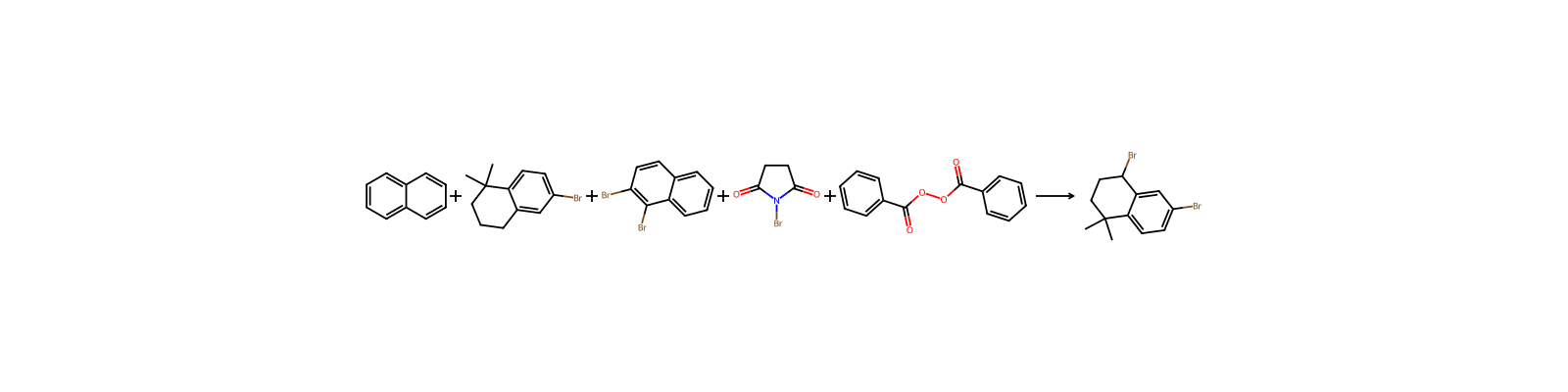
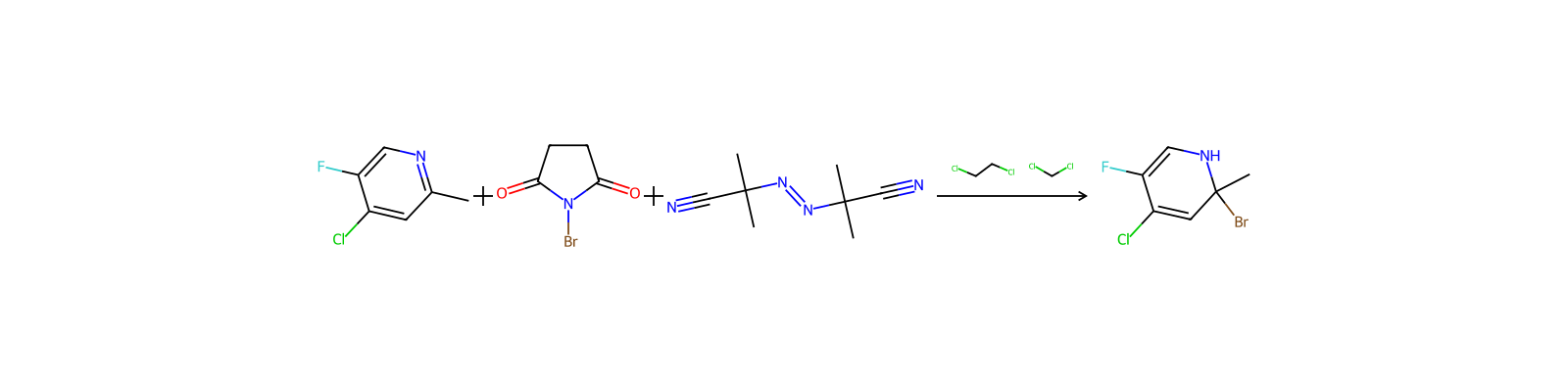
... Useful in organic synthesis for allylic bromination (Wohl-Ziegler reaction), aromatic ring and side-chain bromination, for oxidation, e.g., alcohols to carbonyl compounds, for dehydrohalogenation, and is used in the commercial production of cortisone and vitamin D3.
In bromination of olefins; in oxidation of alcohols to aldehydes and ketones and of aldehydes to acid bromides.
Manufacture of fine chemicals
For more Uses (Complete) data for N-Bromosuccinimide (9 total), please visit the HSDB record page.
Methods of Manufacturing... prepared by addition of bromine to a cold aqueous solution of succinimide or by reaction of succinimide with NaBrO2 in the presence of HBr.
General Manufacturing Information2,5-Pyrrolidinedione, 1-bromo-: ACTIVE
応用分野
解説N-ブロモスクシンイミド,融点173~175 ℃(わずかに分解).密度2.098 g cm-3.水,エーテルに難溶,酢酸,アセトンに易溶.眼,皮膚,粘膜を強く刺激する.アリル位,ベンジル位の臭素化,α-ヒドロキシ酸やα-アミノ酸からの脱炭酸を伴って相当するアルデヒドまたはケトンが生成する酸化,アセタールからエステルへの変換など,広く臭素化剤,酸化剤として用いられる.森北出版「化学辞典(第2版)
用途有機合成(和光試薬時報Vol.64 No.2,p.26(1996))。
用途N-ブロモスクシンイミド(NBS、英:N-Bromosuccinimide)は有機化学においてラジカル置換、求電子付加反応に用いられる化学物質である。NBSは臭素源として重宝される。アセトン、THF、DMF、DMSO、アセトニトリルに可溶であり、水や酢酸に溶けにくい。ジエチルエーテル、ヘキサン、四塩化炭素には不溶である。
使用N-Bromosuccinimide is a brominated succinimide used as a chemical reagent in radical substitution and electrophilic addition reactions in organic synthesis. In bromination of olefins; in oxidation of alcohols to aldehydes and ketones and of aldehydes to acid bromides.
調製方法
製造方法N-Bromosuccinimide is prepared by addition of bromine to a cold aqueous solution of succinimide or by reaction of succinimide with NaBrO2 in the presence of HBr.1.62mol (160g) succinimide is dissolved in a mixture of 1.60mol (64g) NaOH, 300g crushed ice and 400ml water. Cool the mixture in an ice bath, and add 85ml (1.65 mol, 264g) Br2 at once while stirring violently. Stir for two more minutes, then filter the precipitated product and wash with ice water. Dry in a desiccator. Yield 75-81%.Don't clean up NBS too much, the stinky yellow stuff still containing a bit of Br2 works best. N-Bromosuccinimide is a brominating agent that replaces hydrogen atoms in benzylic or allylic positions. It is used in the oxidation of secondary alcohols to ketones and in controlled low-energy brominations.
合成方法スクシンイミドに臭素と水酸化ナトリウムを作用させて合成する
純化方法N-Bromosuccinimide (30g) is purified by dissolving rapidly in 300mL of boiling water and filtering through a fluted filter paper into a flask immersed in an ice bath, and left for 2hours. The crystals are filtered off, washed thoroughly with ca 100mL of ice-cold water and drained on a Büchner funnel before drying under vacuun over P2O5 or CaCl2 [Dauben & McCoy J Am Chem Soc 81 4863 1959]. This brominating agent has also been crystallised from acetic acid or water (10 parts), washed in water and dried in vacuo [Wilcox et al. J Am Chem Soc 108 7693 1986, Shell et al. J Am Chem Soc 108 121 1986, Phillips & Cohen J Am Chem Soc 108 2013 1986, Beilstein 21/9 V 543.]
上流・下流製品情報
上流原料
下流製品
サプライヤー50 社
国药集团化学试剂有限公司86-21-63210123 · [email protected]
梯希爱(上海)化成工业发展有限公司021-67121386 · [email protected]
上海阿拉丁生化科技股份有限公司400-6206333 13167063860 · [email protected]
南通润丰石油化工有限公司66017690 19952660367 · [email protected]
上海炎泽化工有限公司15345144255 19975051755 · [email protected]
南京一化生物科技有限公司13429882898; 13429882898
INTATRADE GmbH+49 3493/605464 · [email protected]
爱斯特(成都)生物制药股份有限公司+86-28-85122536 85324413 · [email protected]
上海如吉生物科技发展有限公司+86-21-65211385-8001 36031160 · [email protected]
北京安司莫森技术有限公司010-82954736 13391601435 · [email protected]
韶远科技(上海)有限公司021-50795510 4000665055 · [email protected]
科瑞迪化学400-821-5857 021-64326257 · [email protected]
上海将来实业股份有限公司400-0066400 13621662912 · [email protected]
Syntechem Co.,Ltd[email protected]
上海迈瑞尔生化科技有限公司4006356688 18621169109 · [email protected]
武汉易泰科技有限公司上海分公司18930552037 · [email protected]
阿法埃莎(中国)化学有限公司400-6106006 · [email protected]
太原市瑞和丰科贸有限公司+86 351 7031519 · [email protected]
上海德默医药科技有限公司400-021-7337 2355568890 · [email protected]
安耐吉化学&3A(安徽泽升科技股份有限公司)400-0056266 · [email protected]
武汉凯威斯科技有限公司86-027-67849912 · [email protected]
上海瀚鸿科技股份有限公司021-54306202 13764082696 · [email protected]
上海景颜化工科技有限公司13817811078 · [email protected]
嘉兴市艾森化工有限公司0573-85285100 18627885956 · [email protected]
Pure Chemistry Scientific Inc.001-857-928-2050 or 1-888-588-9418 · [email protected]
上海隆盛化工有限公司58099637 13585536065 · [email protected]
南京苏如化工有限公司025-52406782 18251847779
上海攀鸿化工科技有限公司021-56491756 13512199871 · [email protected]
杭州东帆化学有限公司86-0571-85151182
孝感深远化工有限公司15527621225; 15527621225 · [email protected]
山东西亚化学有限公司13355009207 13355009207 · [email protected]
唐山默内德贸易有限公司0315-8309571 15633399667 · [email protected]
玛雅试剂+86 (573) 82222445 (0)18006601000 452520369 · [email protected]
四川库利南科技有限公司400-1166-196 18981987031 · [email protected]
天津希恩思生化科技有限公司400 638 7771 · [email protected]
河南萬象化工有限公司(优势生产供应!)0371-56669001 13949088811 · [email protected]
湖南汇百侍生物科技有限公司0731-85526065 13308475853 · [email protected]
南京维奥化工有限公司Please Send Email 18652950785 · [email protected]
常州创视电子科技有限公司+86 (519) 8829-2061 · [email protected]
河南多贝化工有限公司0370-2785118 17550508557 · [email protected]
艾科试剂4008-755-333 18080918076 · [email protected]
深圳法默科技有限公司0755-86648230 · [email protected]
上海思域化工科技有限公司86-21-34053660 · [email protected]
苏州思变化学技术有限公司0512-65617459 18915409046 · [email protected]
赛默飞世尔科技(中国)有限公司800-810-5118 · [email protected]
北京伊诺凯科技有限公司400-810-7969 010-59572699 · [email protected]
Wuhan NCE Biomedical Co.,Ltd.4000-027-021 |24 +86-13986109188 | +86-15623472865 | +81-08033611988
上海遐瑞医药科技有限公司+86 21 61551611
江苏艾康生物医药研发有限公司025-66113011 13913916777 · [email protected]
上海健超生物科技有限公司150-2103-5486 18017383231 · [email protected]
補足説明
定義ChEBI: N-bromosuccinimide is a five-membered cyclic dicarboximide compound having a bromo substituent on the nitrogen atom. It has a role as a reagent. It is a dicarboximide, a pyrrolidinone and an organobromine compound. It is functionally related to a succinimide.
関連反応
16,063 件



関連ノート
読み込み中…