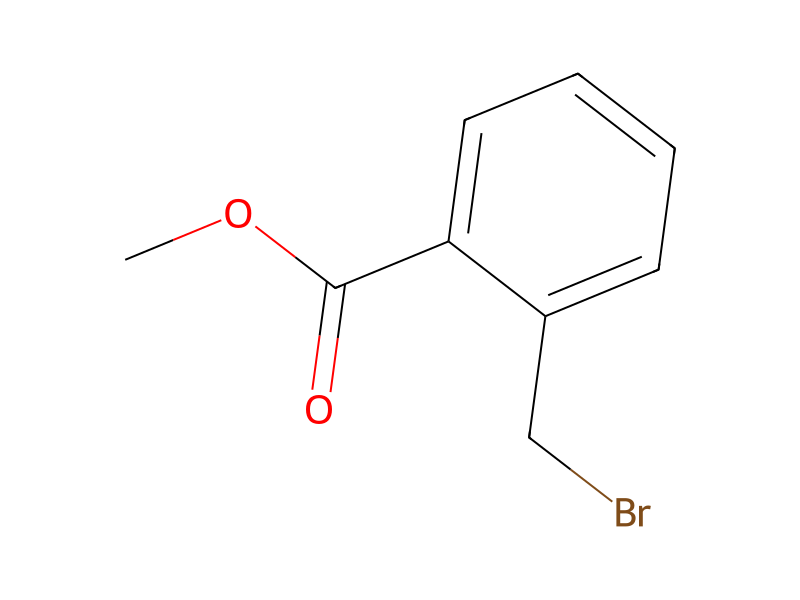
2.0 Grams (0.00755 mole) of 5-(4-chlorophenoxy)-1,3-dimethyl-pyrazole-4-carbaldehyde oxime was dissolved in 20 ml of dimethylformamide, and after adding 0.5 g (0.0125 mole) of powdery sodium hydroxide, the resulting mixture was thoroughly stirred. To this solution was added 1.73 g (0.00755 mole) of methyl 2-bromomethylbenzoate, and reaction was carried out at from 70° to 80° C. for 5 hours. After completion of the reaction, water was added to the reaction solution which was then extracted with ethyl acetate. The ethyl acetate extract was washed with water and dried, and ethyl acetate was removed by evaporation to obtain an oily product. This oily product was column-chromatographed on silica gel to obtain 2.0 g cf the desired compound.