反応式

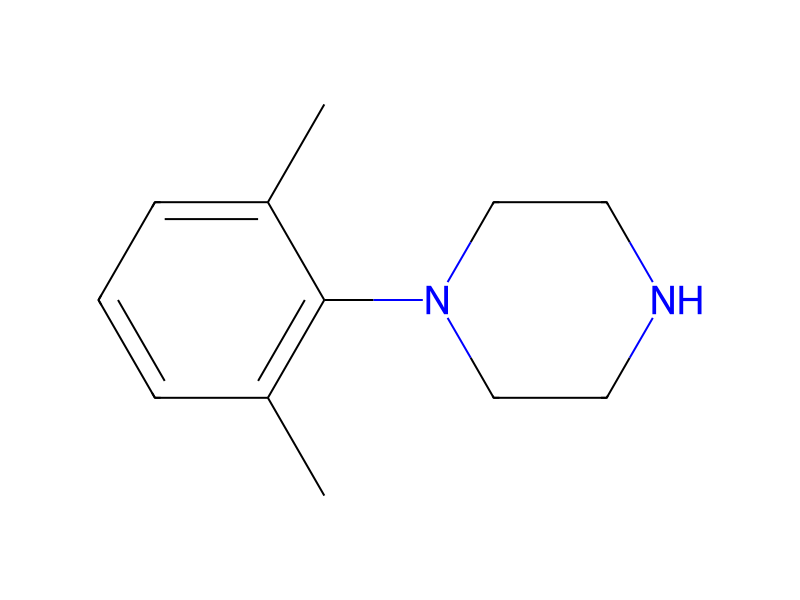
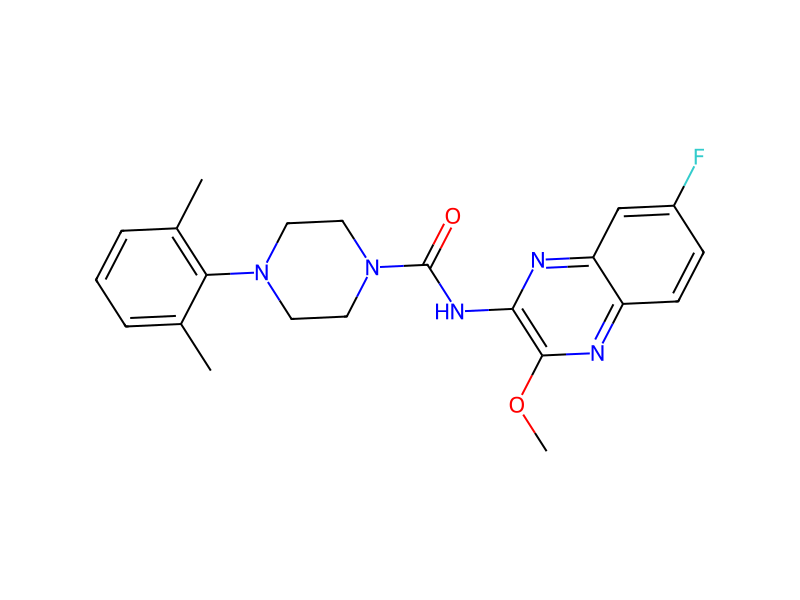
[F:1][C:2]1[CH:3]=[C:4]2[C:9](=[CH:10][CH:11]=1)[N:8]=[C:7]([O:12][CH3:13])[C:6]([NH:14][C:15](=[O:19])OCC)=[N:5]2.[CH3:20][C:21]1[CH:26]=[CH:25][CH:24]=[C:23]([CH3:27])[C:22]=1[N:28]1[CH2:33][CH2:32][NH:31][CH2:30][CH2:29]1>>[F:1][C:2]1[CH:3]=[C:4]2[C:9](=[CH:10][CH:11]=1)[N:8]=[C:7]([O:12][CH3:13])[C:6]([NH:14][C:15]([N:31]1[CH2:32][CH2:33][N:28]([C:22]3[C:23]([CH3:27])=[CH:24][CH:25]=[CH:26][C:21]=3[CH3:20])[CH2:29][CH2:30]1)=[O:19])=[N:5]2参加物
3

実験手順
Ethyl N-(6-fluoro-2-methoxyquinoxalin-3-yl)carbamate and 1-(2,6-dimethylphenyl)piperazine were reacted by the same way with the example 1 to obtain the titled compound (yield, 65%). 1H NMR (300 MHz, CDCl3): δ 2.26 (s, 3H), 3.20 (s, 4H), 3.71 (s, 3H), 4.12-4.18 (m, 4H), 6.99-7.01 (m, 3H), 7.26-7.32 (m, 2H), 7.53-7.81 (m, 2H).
出典と根拠
- ORDレコード
- ord-e4ef2964a59e43029d5cb20fd2c2f638
- 出典データセット
- uspto-grants-2013_12
- 特許番号
- US08598173B2
関連ノート
読み込み中…