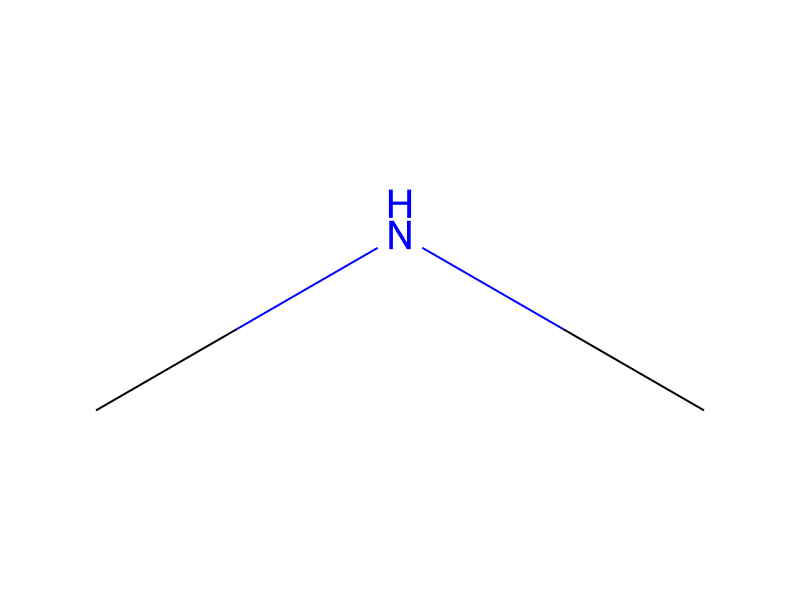
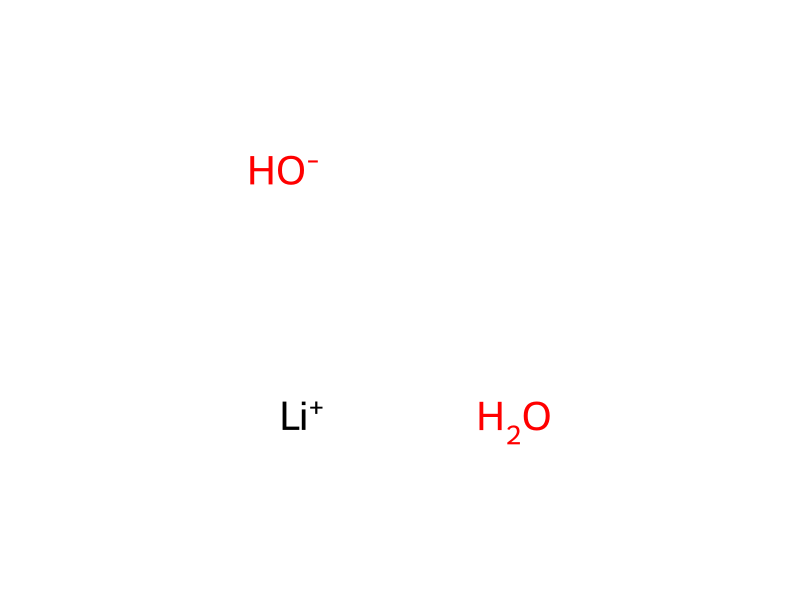
Cl[C:2]1[S:3][C:4]([CH2:7][N:8]2[CH2:12][CH:11]([C:13]3[CH:18]=[C:17]([F:19])[CH:16]=[C:15]([F:20])[C:14]=3[F:21])[CH2:10][C:9]2=[O:22])=[CH:5][N:6]=1.[CH3:23][NH:24][CH3:25].O[Li].O>C1COCC1.O>[CH3:23][N:24]([CH3:25])[C:2]1[S:3][C:4]([CH2:7][N:8]2[CH2:12][CH:11]([C:13]3[CH:18]=[C:17]([F:19])[CH:16]=[C:15]([F:20])[C:14]=3[F:21])[CH2:10][C:9]2=[O:22])=[CH:5][N:6]=1In a sealed tube fitted with a magnetic stirrer, 1-[(2-chloro-1,3-thiazol-5-yl)methyl]-4-(2,3,5-trifluorophenyl)pyrrolidin-2-one 250 (0.3 g, 0.87 mmol) is dissolved in a mixture of THF (4 ml) and H2O (0.1 ml). Dimethylamine (0.85 ml, 1.7 mmol) and LiOH.H2O (0.043 g, 1 mmol) are added and the mixture is stirred at room temperature for 12 h and heated at 50° C. overnight. Dimethylamine (3×3.4 mmol, then 1×5.1 mmol) is added after 24 h, 48 h, 72 h and 96 h heating. THF is evaporated, the residue is dissolved in water and CH2Cl2, the pH of the aqueous phase is brought to 9 and the aqueous phase is extracted with CH2Cl2. The combined organic phases are dried over MgSO4, filtered and concentrated. The crude product is purified by chromatography on silicagel and recrystallized from diisopropylether to afford 0.1 g of 1-{[2-(dimethylamino)-1,3-thiazol-5-yl]methyl}-4-(2,3,5-trifluorophenyl)pyrrolidin-2-one 251.